Head Office




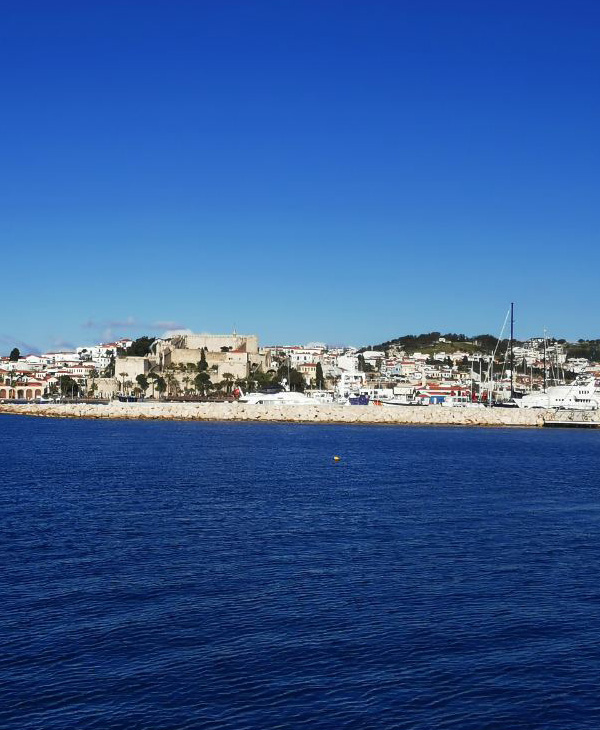
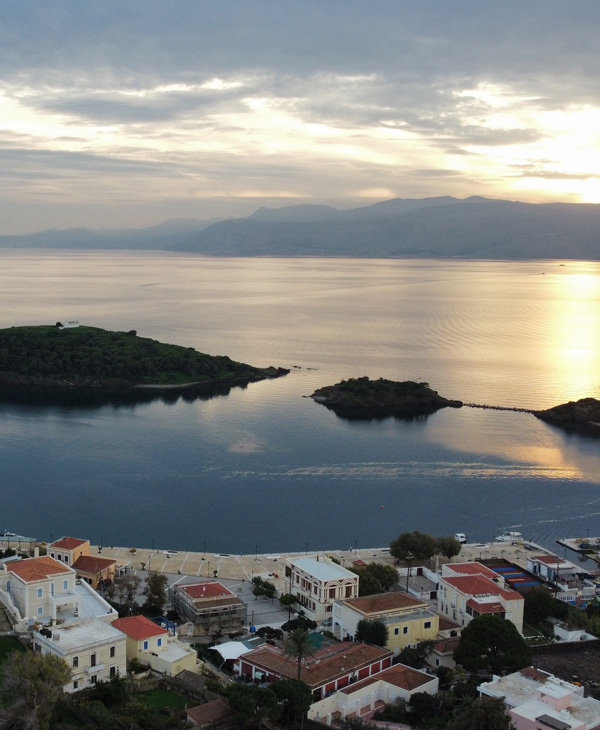

THE COMPANY’S HEADQUARTERS
Majestic, Fragrant and Proud
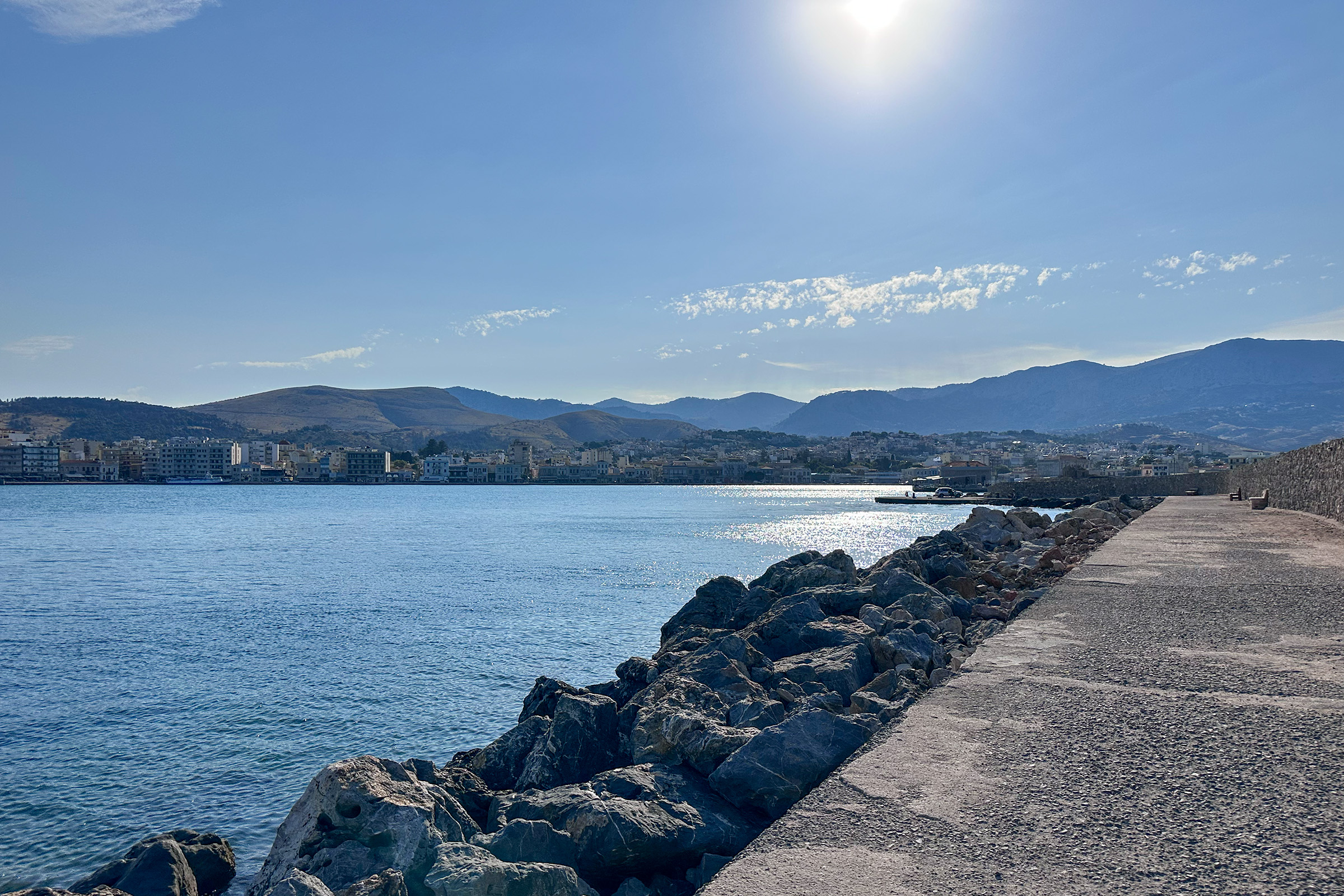
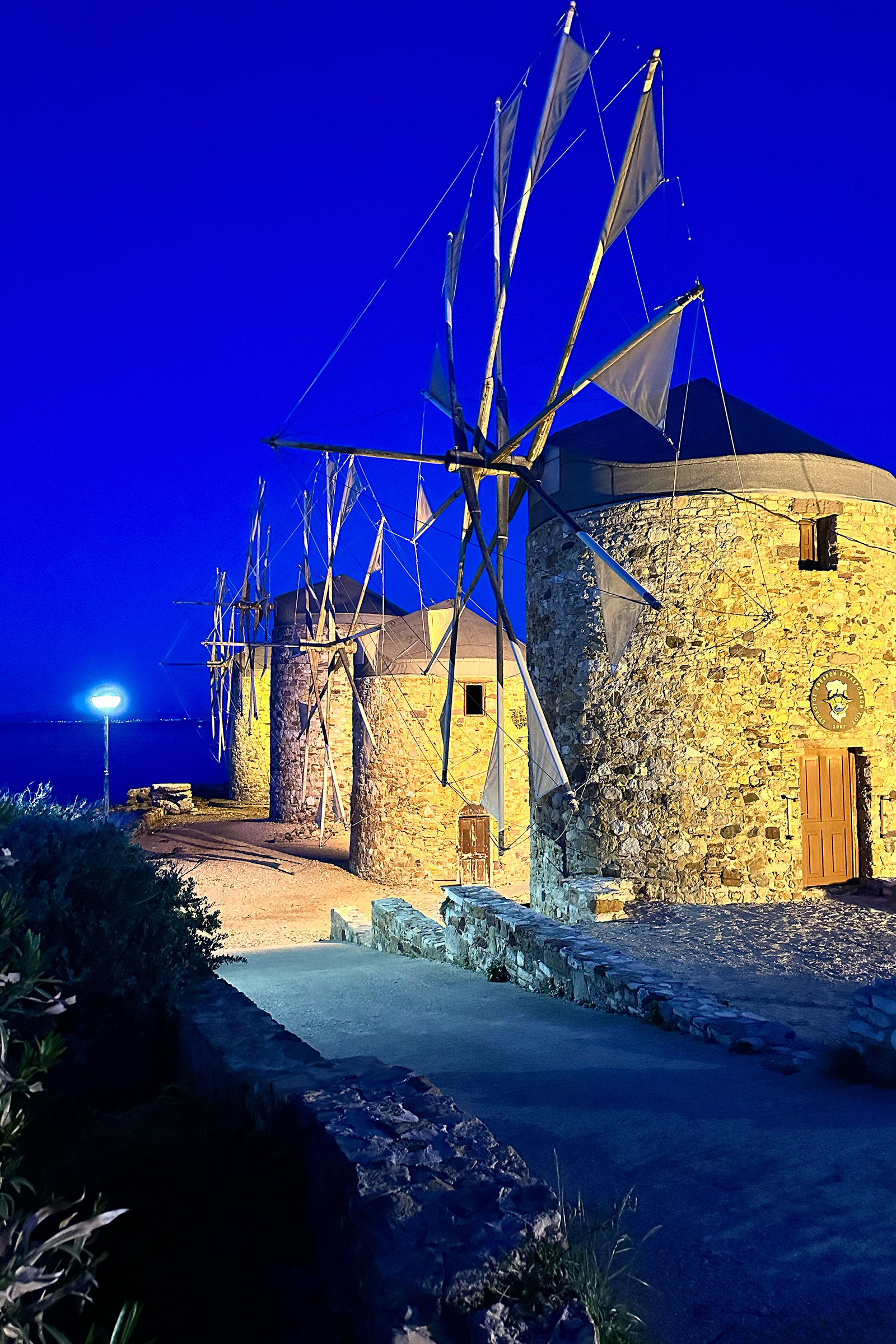
The island of Chios is the 5th largest in Greece, situated in the eastern Aegean, a few miles from the coast of Turkey and the low mountains of the East. Travellers and writers from antiquity to the present day have spoken of the island of mastic, singing the praises of its hospitable people.
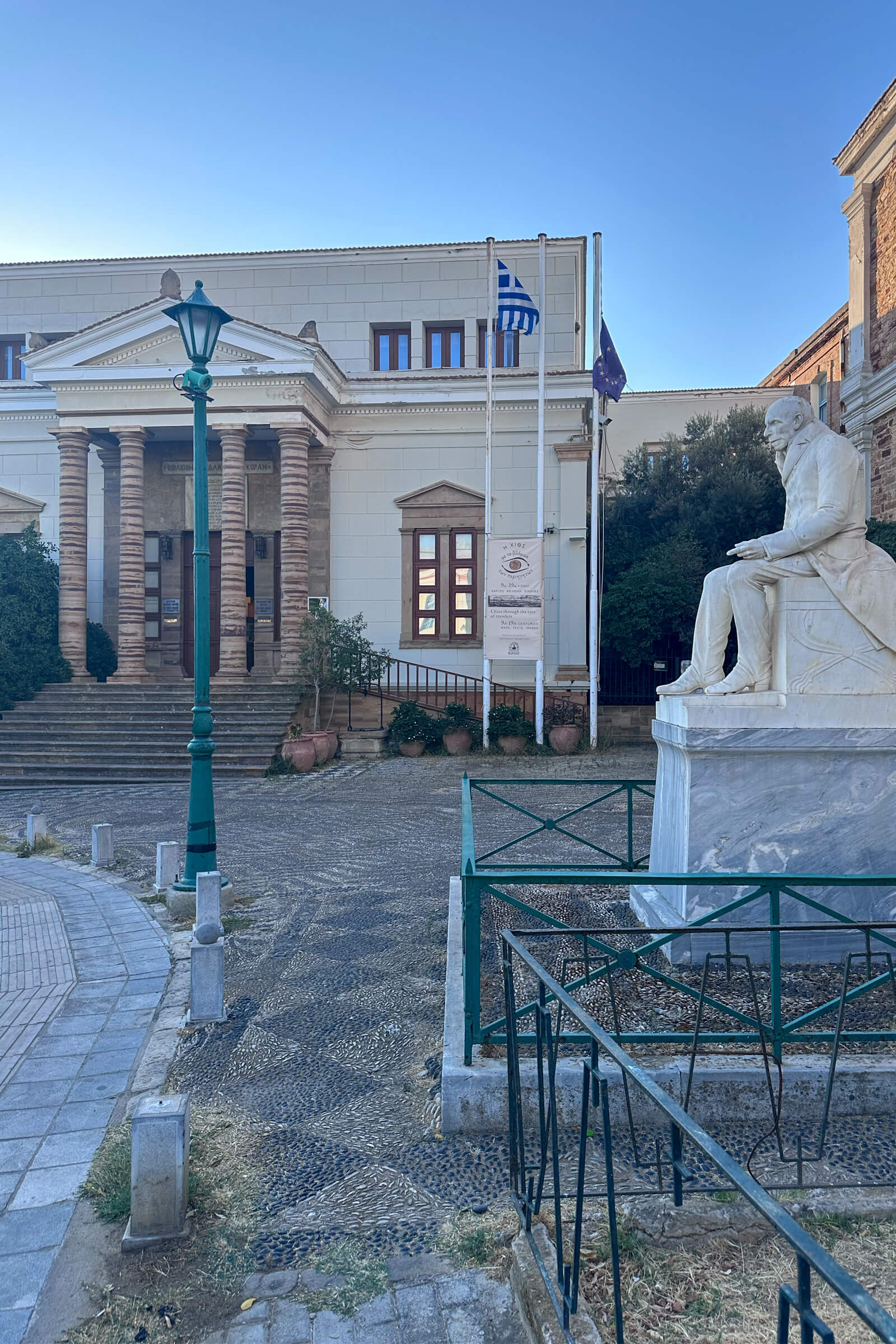
Chios is the well-kept secret at the heart of the Aegean. It is the island of Homer, of Ionia, of Byzantium and of the Genoese nobility, the birthplace of Adamantios Korais and Konstantinos Kanaris. A crossroads of great civilisations, envied by the ancient rulers, loved by the Genoese and the Europeans, and initially even favoured by the Ottomans.
It is the fragrant island of mastic, jasmine and the heady scents of the plain, and the “island of the nobility” with its stone mansions, pebbled courtyards and unique medieval villages.
It is a place that takes pride in its seafaring tradition.
With its stunning coastline featuring 91 mapped beaches and monastic monuments dating from early Christian times to the present day, no matter how long a visitor spends on Chios, there will always be a little something left to discover the next time they visit.




Places Worth Visiting
The mastic villages
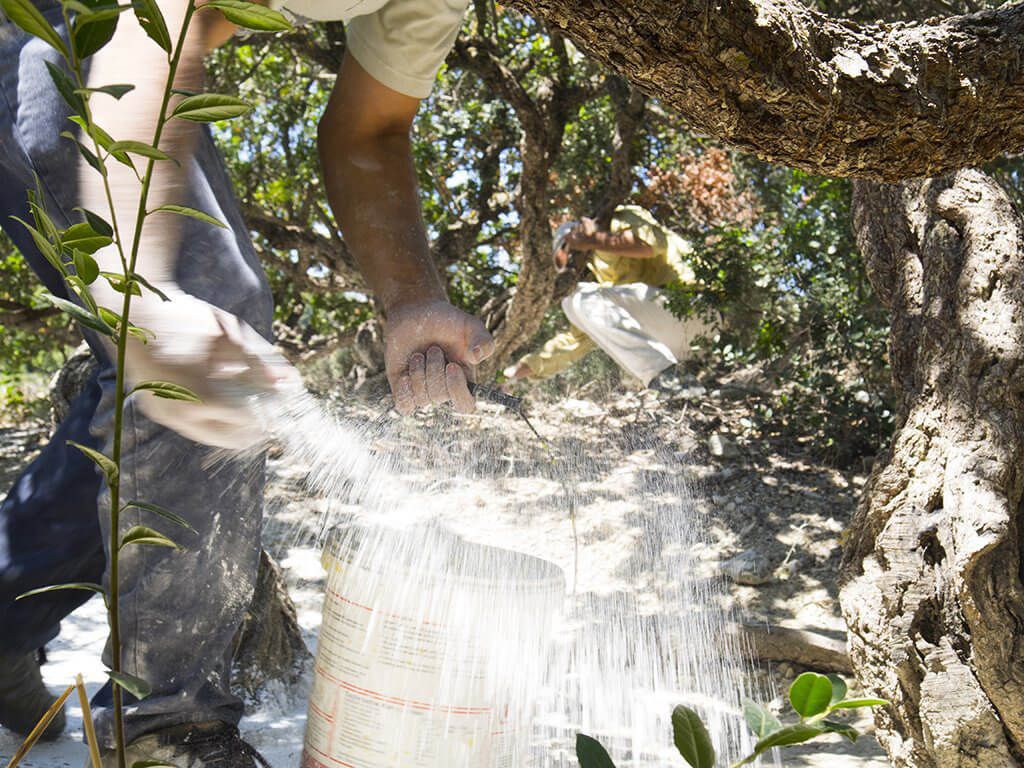
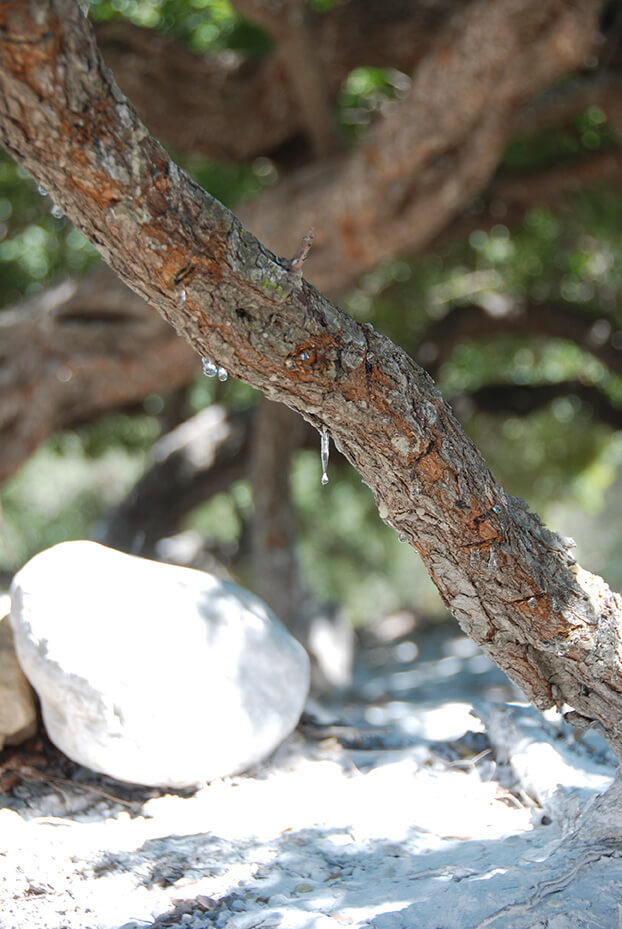
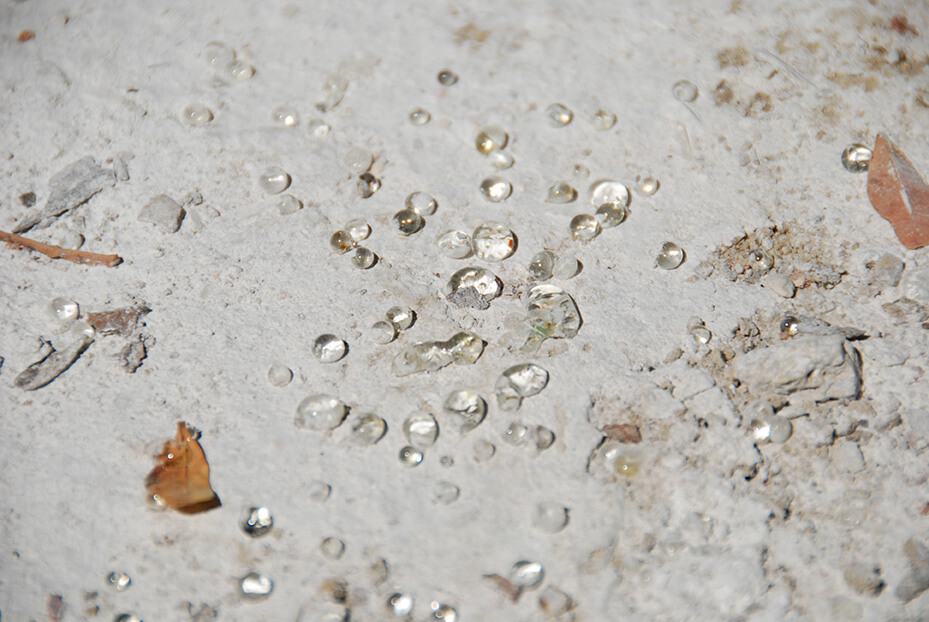
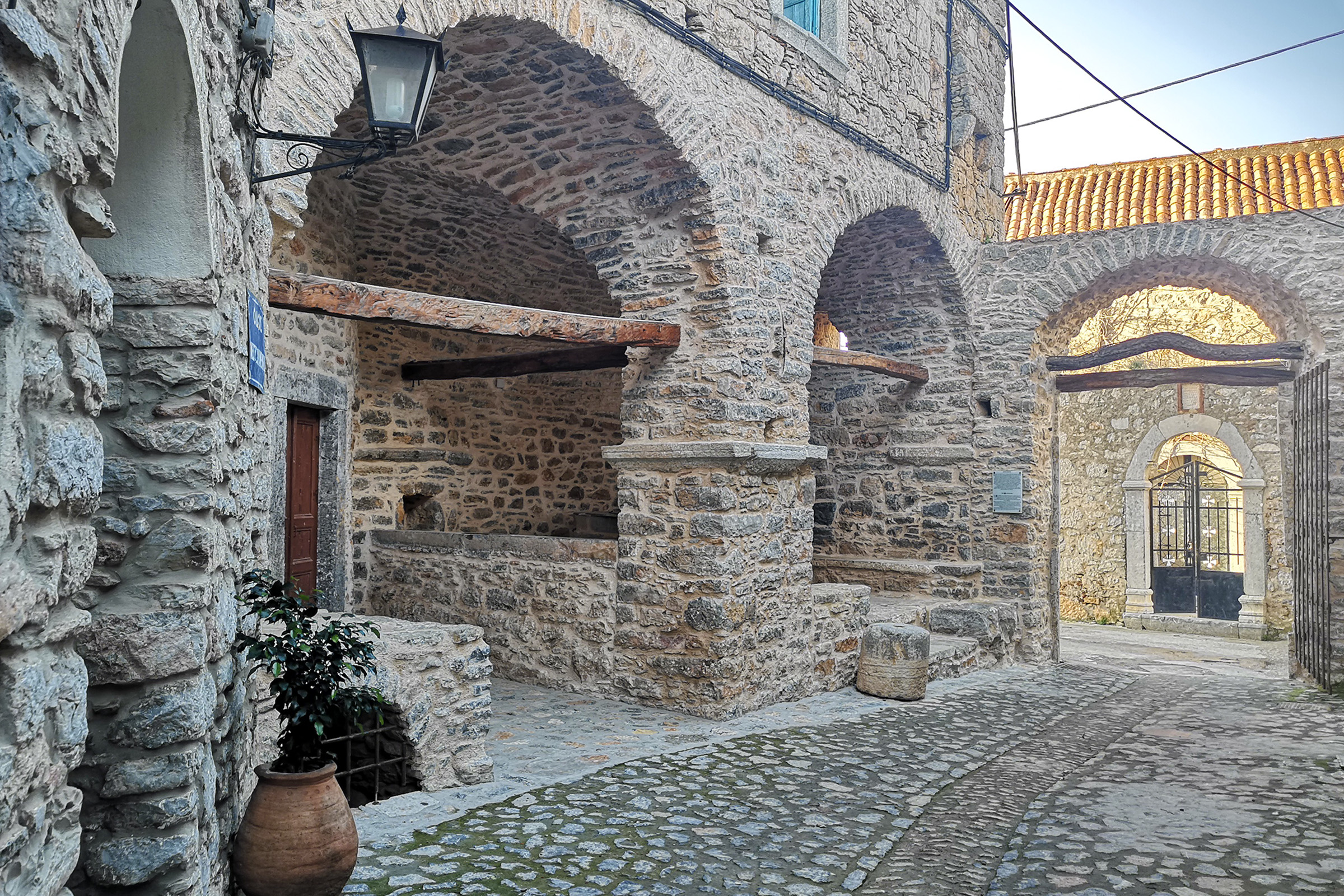
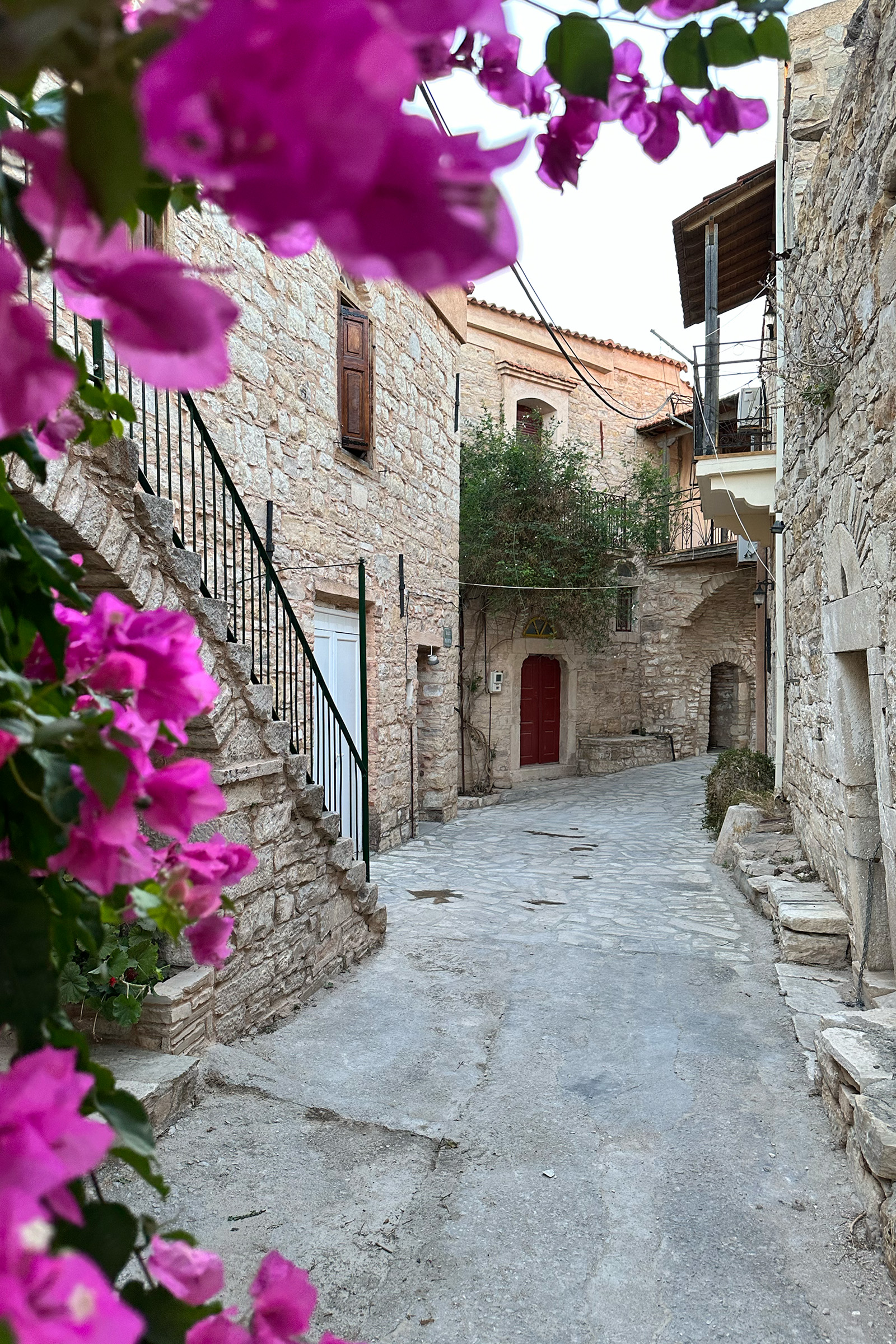
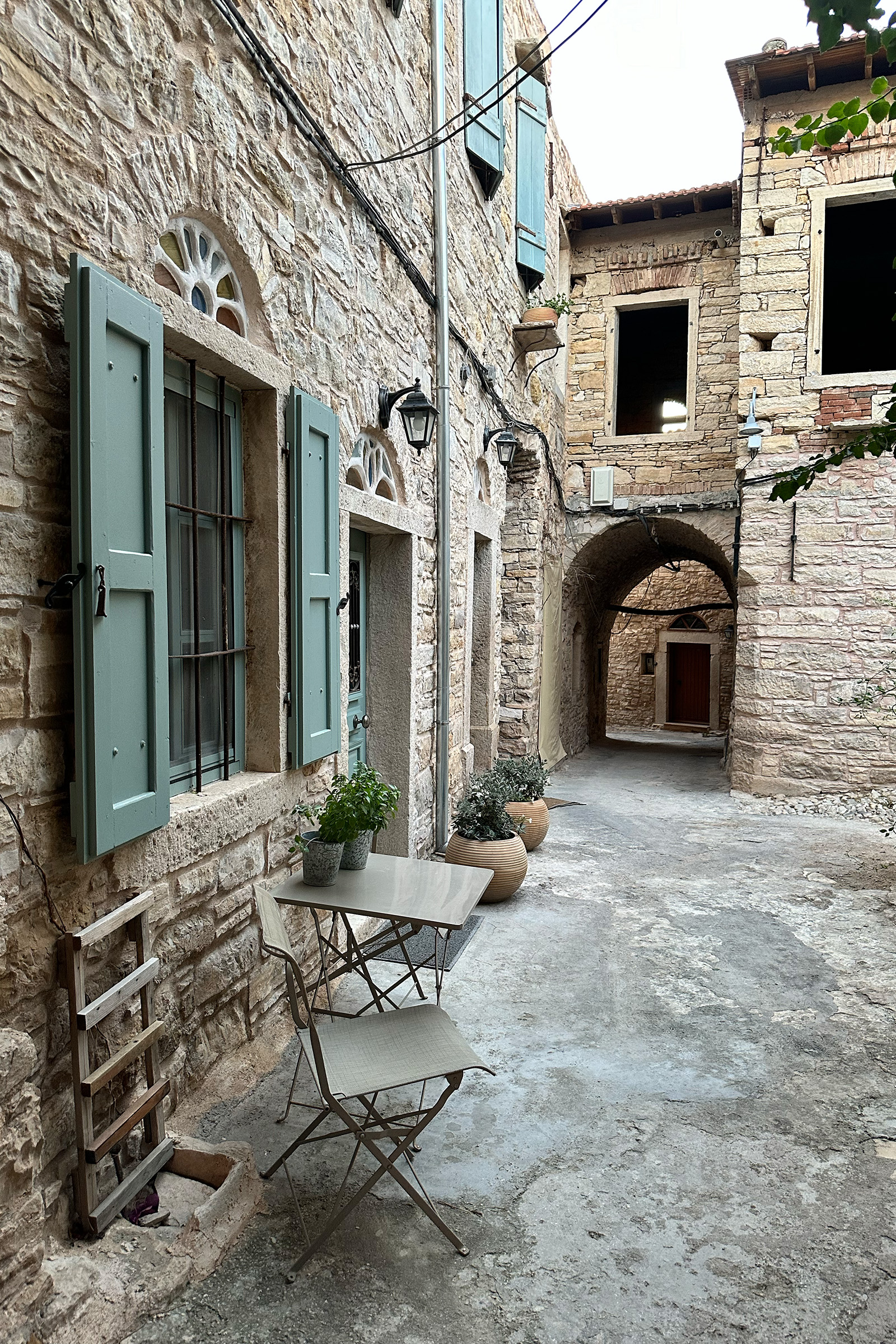
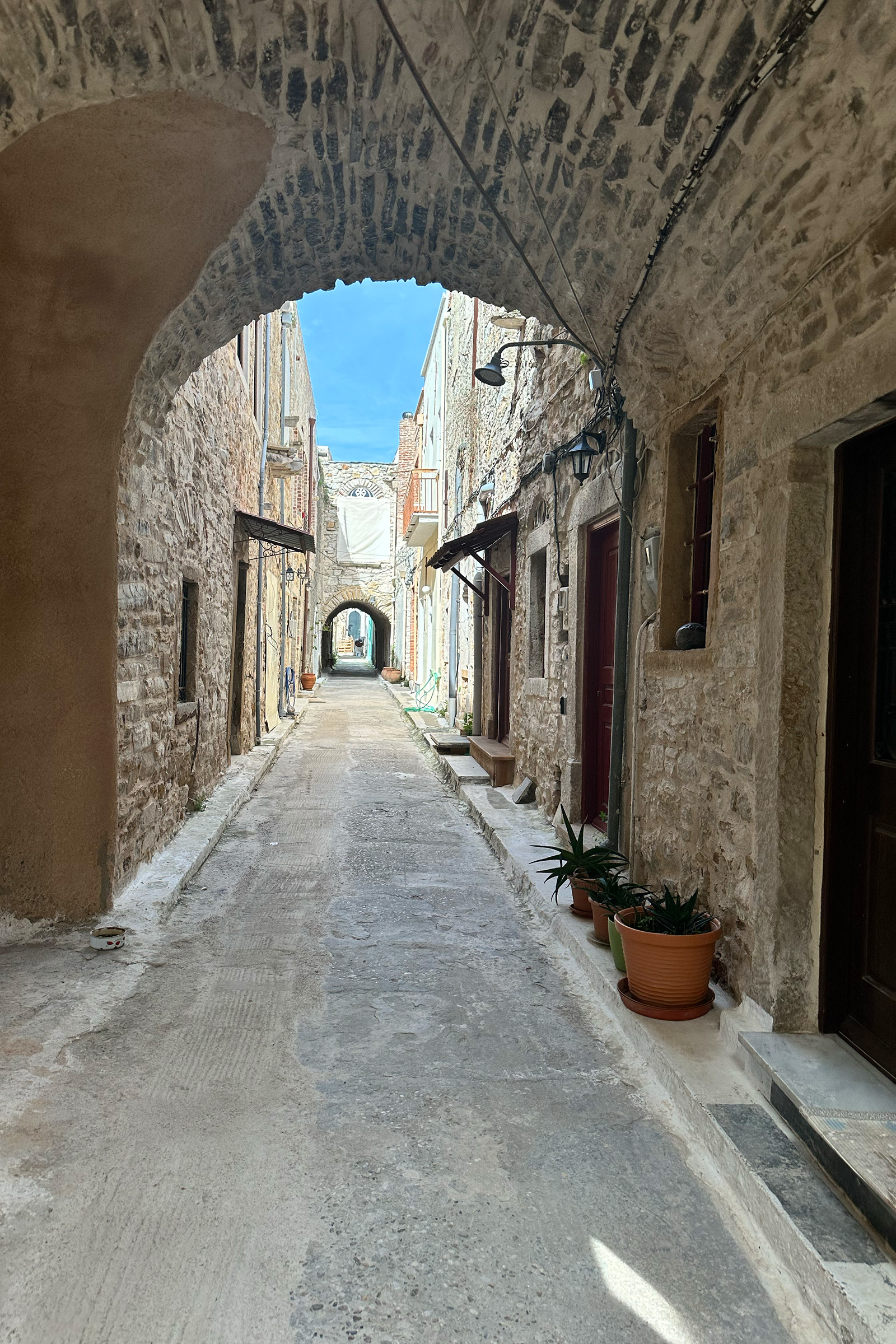
Fortified villages with narrow, snaking inner alleys, Byzantine churches and unspoilt beaches, enveloped by the delicate scent of mastic. The mastic villages offer an unforgettable experience, steeped in the atmosphere of their medieval past. Southern Chios is where mastic thrives and the only area on the island where the mastic tree is grown, from antiquity to the present day, a bush that has made the island famous throughout the world.
The most important and best-preserved of these are:
Pyrgi
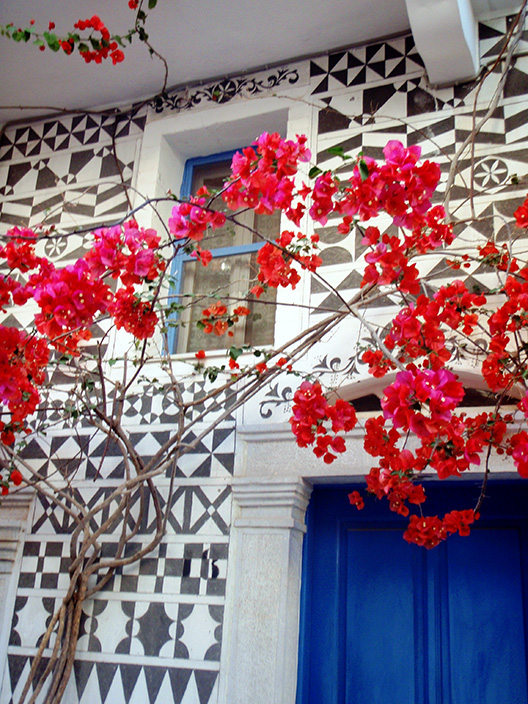
Also known as the "painted village", it is the most interesting in terms of folklore and anonymous architecture. The houses of Pyrgi are striking, with their "Xista", a style of façade decoration featuring alternating patterns of white and black.
Mesta
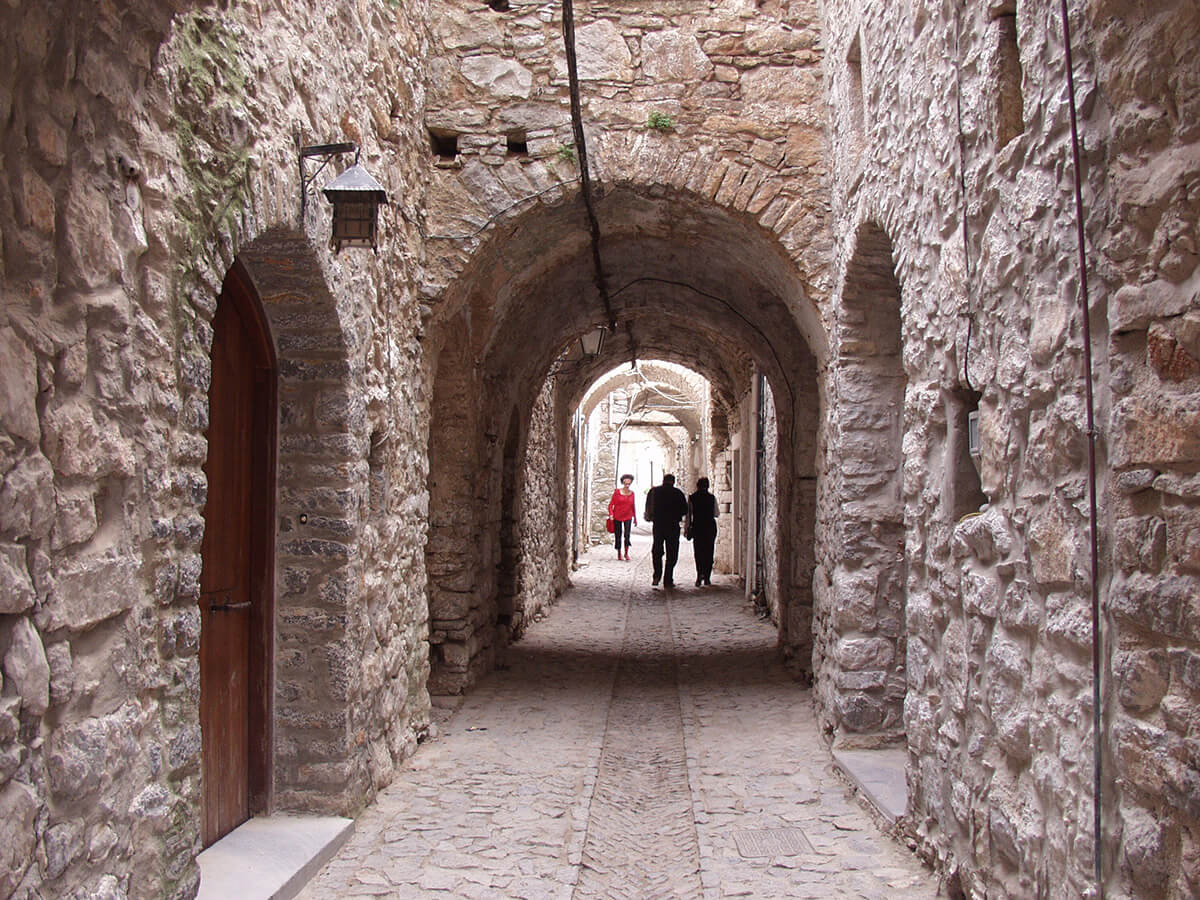
The best-preserved medieval village, with its impressive fortified architecture and the church of Palios Taxiarchis (14th century). A stroll through the village’s narrow alleys, beneath the arches formed by the balconies of the restored stone houses, transports the visitor to another era. An era full of secrets and charm.
Armolia
Its a village with a long pottery tradition, as the villagers have a knack for the construction and decoration of pottery. In the Church of the Virgin Mary, which is attached to the main church of Saint Dimitrios, you will find one of the island’s finest iconostases (1744 AD).
Kalamoti, Nenita, Olimpoi, Vessa, Patrika, Vouno and Kini are also some of the most significant medieval settlements in Greece.
Don’t forget to visit Olympon Cave, with its rich and impressive array of stalactites and stalagmites, ranking it amongst the most remarkable and beautiful caves in Greece.
Byzantine Churches and Monastic Complexes
A visit to Chios can also be a pilgrimage to the monasteries and churches that adorn the island, beneath the brilliant light of Ionia. Chios is not just the island of lemon blossoms and mastic. It is a sacred place, sanctified by the lives and miracles of 22 local saints.
Some of the most important sites worth visiting are:
Nea Moni
The island’s most significant Byzantine monument, a UNESCO World Heritage Site, which boasts impressive mosaics (11th century AD). According to monastic tradition, Emperor Constantine Monomachus funded the construction of the monastery after the miraculous icon of the Virgin Mary was discovered by the three Chian monks Nikitas, Ioannis and Iosif at a myrtle tree in the current location of the monastery.
For many centuries it was the religious and economic centre of Chios, whilst its decline began in the 19th century, initially due to economic difficulties and later following the massacre of 1822. The mosaics of Nea Moni rank among the most significant creations of Byzantine art, thanks to their excellent quality and the fact that they are works by artists associated with the largest workshops in Istanbul.
Agia Markella
The holy shrine of Saint Markella lies 6 km from Volissos and is situated at the spot where, according to tradition, the saint was martyred around 1,500 AD. The spot sanctified by the saint’s blood-stained head often turns into a miraculous spring with healing waters.
Saint Markella is considered the patron saint of the island, whilst July 22nd, when she is celebrated, is an official public holiday on the island and thousands of pilgrims arrive from all over Greece.
Agios Georgios
The Church of Saint Georgios in the castle of Chios was originally a Byzantine church, which was converted into a Catholic church and subsequently into a mosque. Since 1912, it has functioned as an Orthodox church, housing valuable relics brought by refugees from Asia Minor.
Panagia Krina
Panagia Krina, a 13th-century Byzantine church with stunning painted decoration, is situated in the village of Vavili.
Moundon Monastery
The Moundon Monastery, near Diefcha, is a Byzantine monastic complex – perhaps the most significant after Nea Moni – dedicated to Saint John the Baptist, with very interesting iconography. In the monastery’s church, you can see frescoes from 1730 in excellent condition, with a folk-inspired expressive style and bold diversity of form.
Panagia Agiogalousaina
Panagia Agiogalousaina, a Byzantine church built at the entrance to Agio Galas cave, with 15th-century mosaics and a remarkable wood-carved iconostasis dating from 1721.
Among the rest, the following also stand out: Agioi Apostoloi (Pyrgi) with its beautiful 13th-century mosaics, Panagia Sikelia (Exo Didima) with its famous wood-carved iconostasis, the Church of Palios Taxiarchis in Mesta, Agios Minas (Nechori), a monastery associated with the massacre of 1822, the Pammegiston Taxiarchon Holy Monastery in Nenita and the Holy Skete of the Holy Fathers (near Nea Moni), built inside a cave and dedicated to the founders of Nea Moni.
Kambos
Kambos, one of the most beautiful areas of Chios, forms a unique settlement that bears little resemblance to the other Aegean islands and requires you to experience it with all your senses. Here, the exceptional natural landscape blends harmoniously with the distinctive local architectural features.
Amidst the orchards with their fragrant citrus trees stand mansions with high walls – built from the local red Thymiana stone – cobbled courtyards and norias.
In Kampos, you’ll get a glimpse of the island’s glorious past, as described by foreign travellers of the 16th and 17th centuries. The island is still adorned with buildings erected by Genoese rulers, Byzantine nobles and wealthy local merchants over a period of some 5 centuries, up to 1822.
There are 38 Byzantine churches and 64 mansions in the area that have been listed as protected monuments by the Ministry of Culture
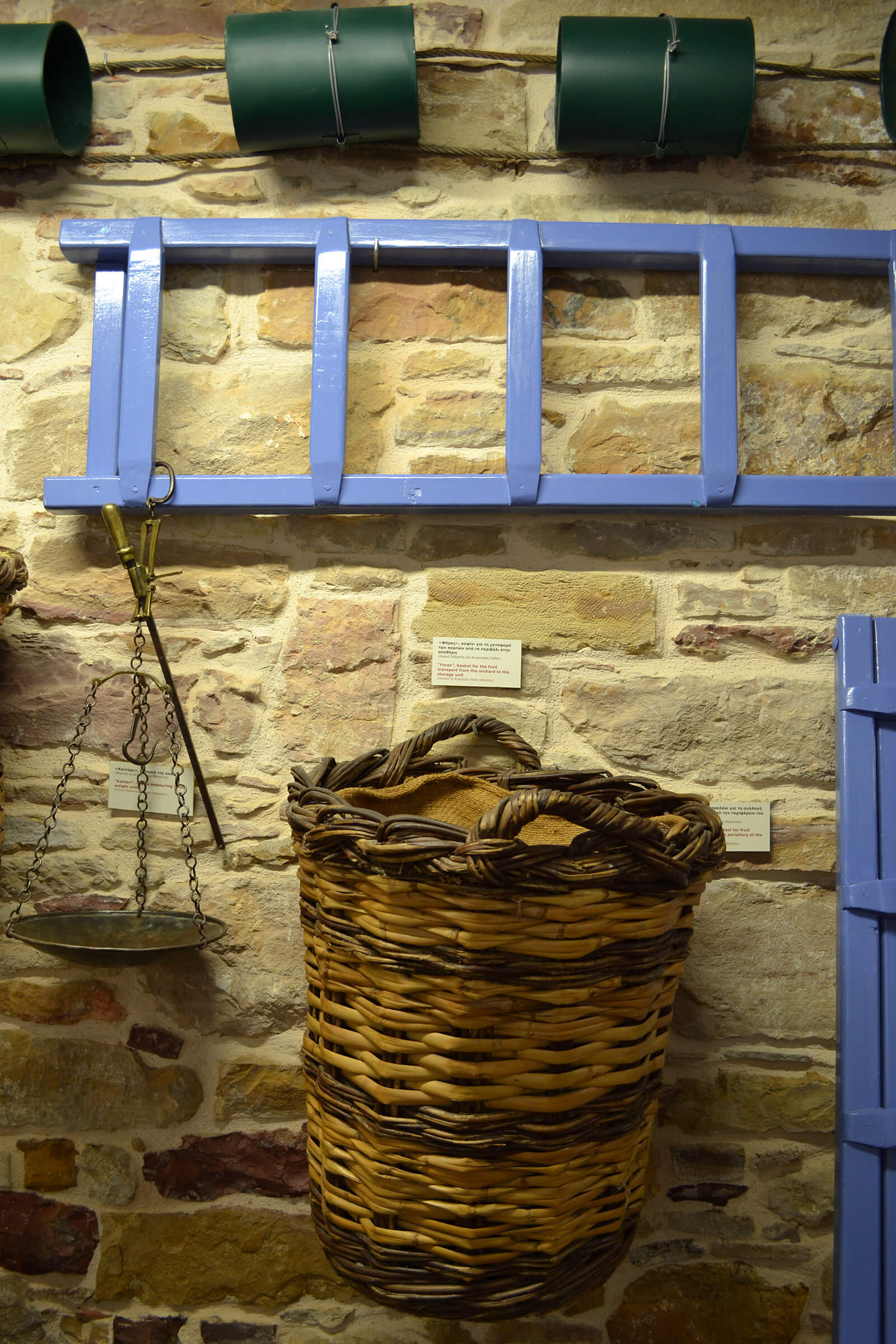
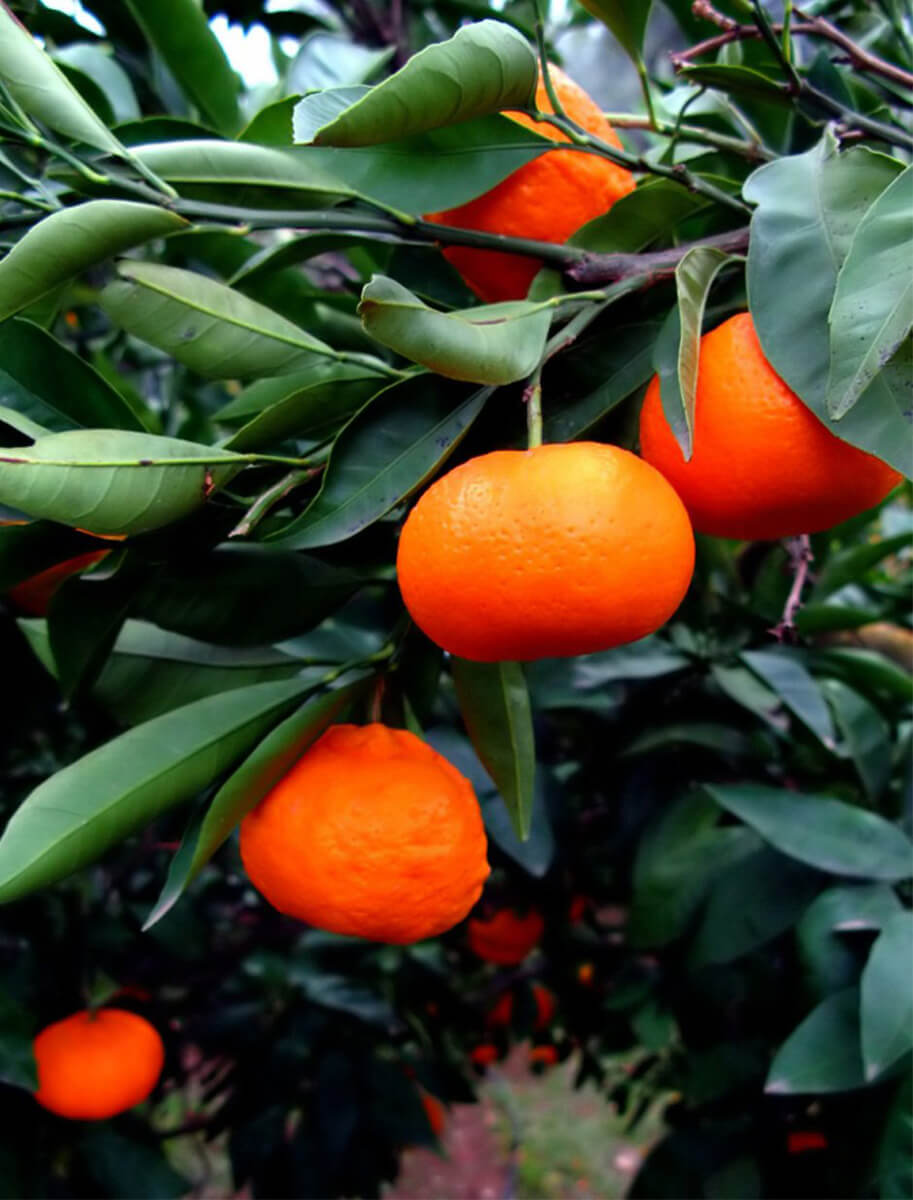


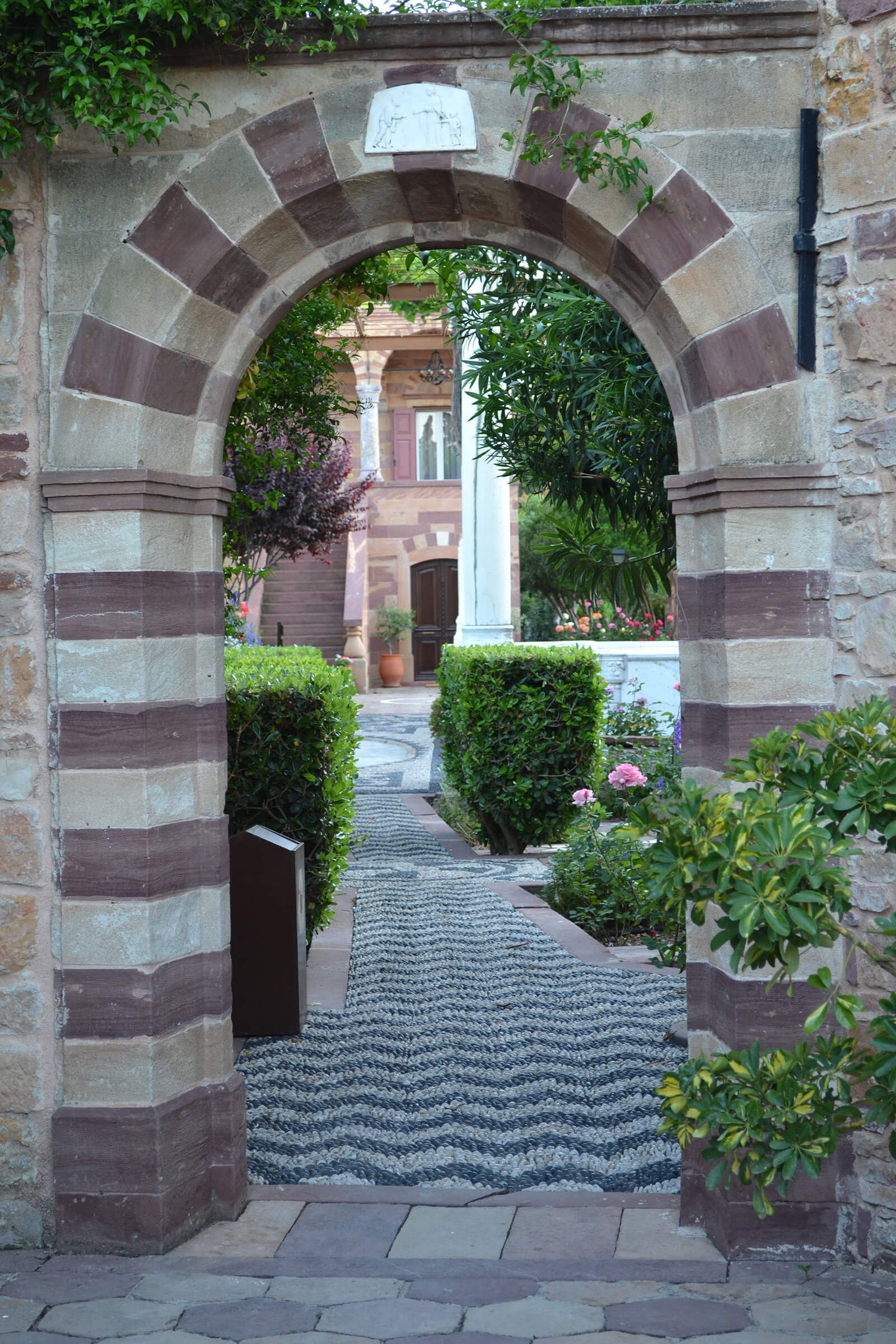
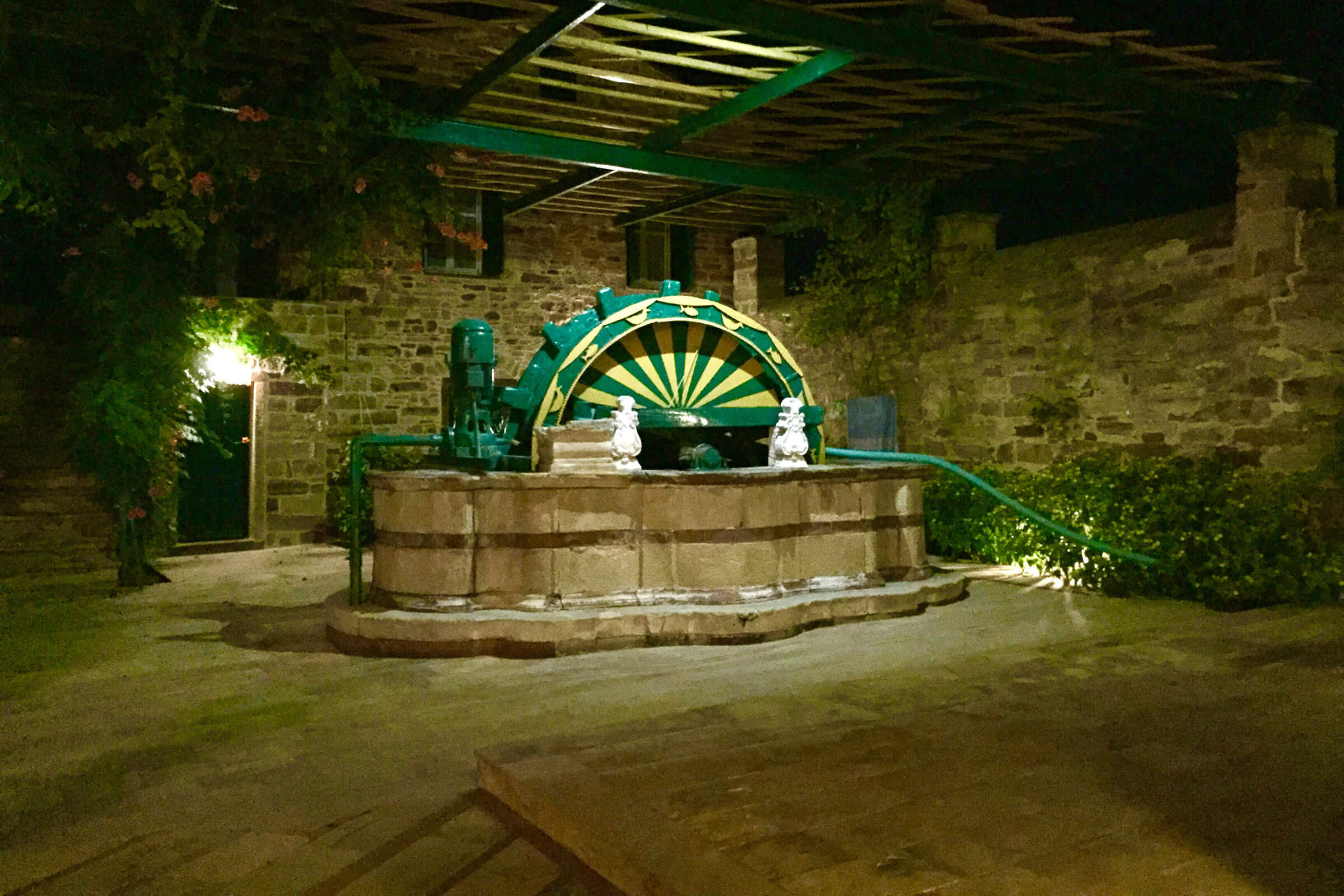
Beaches
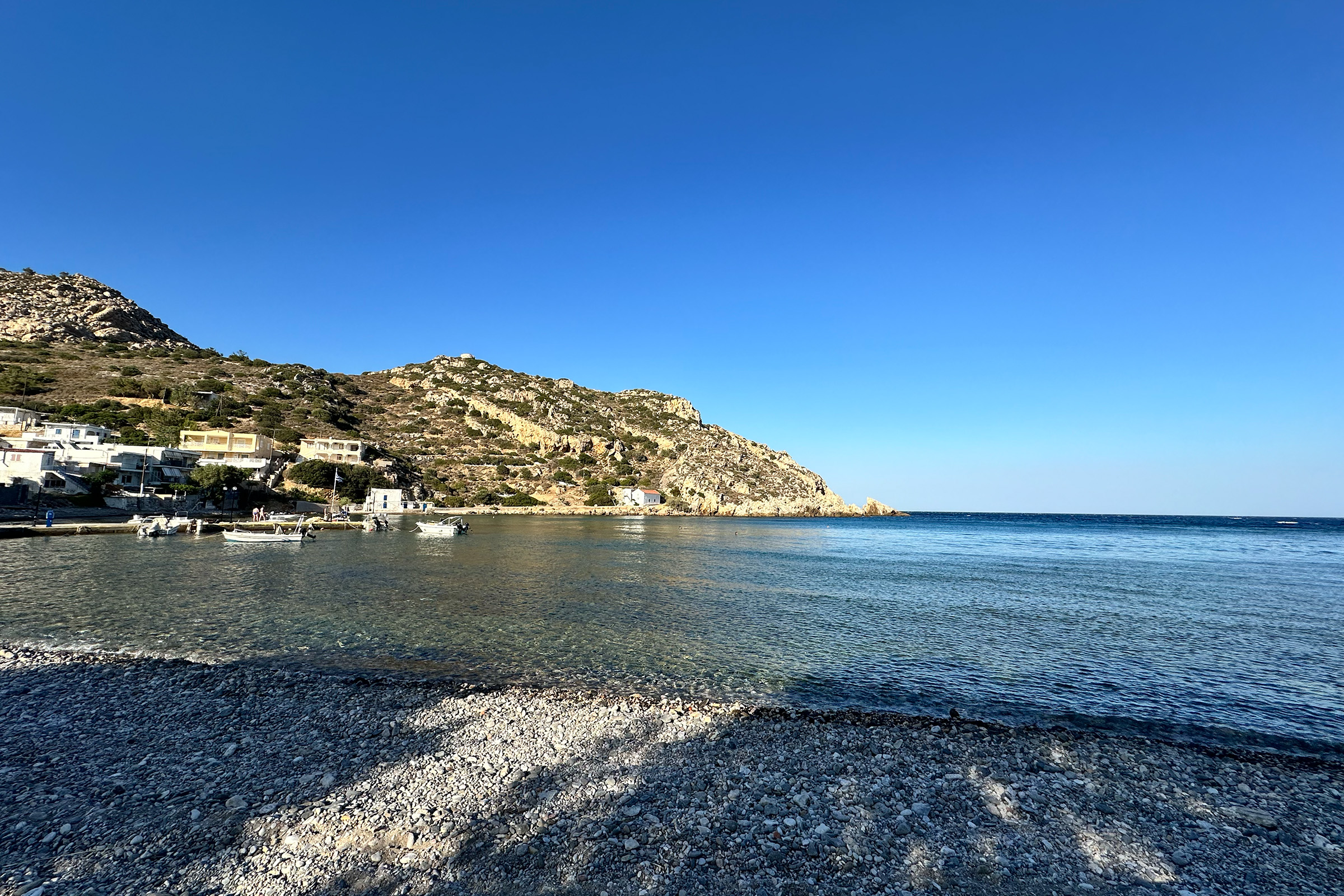
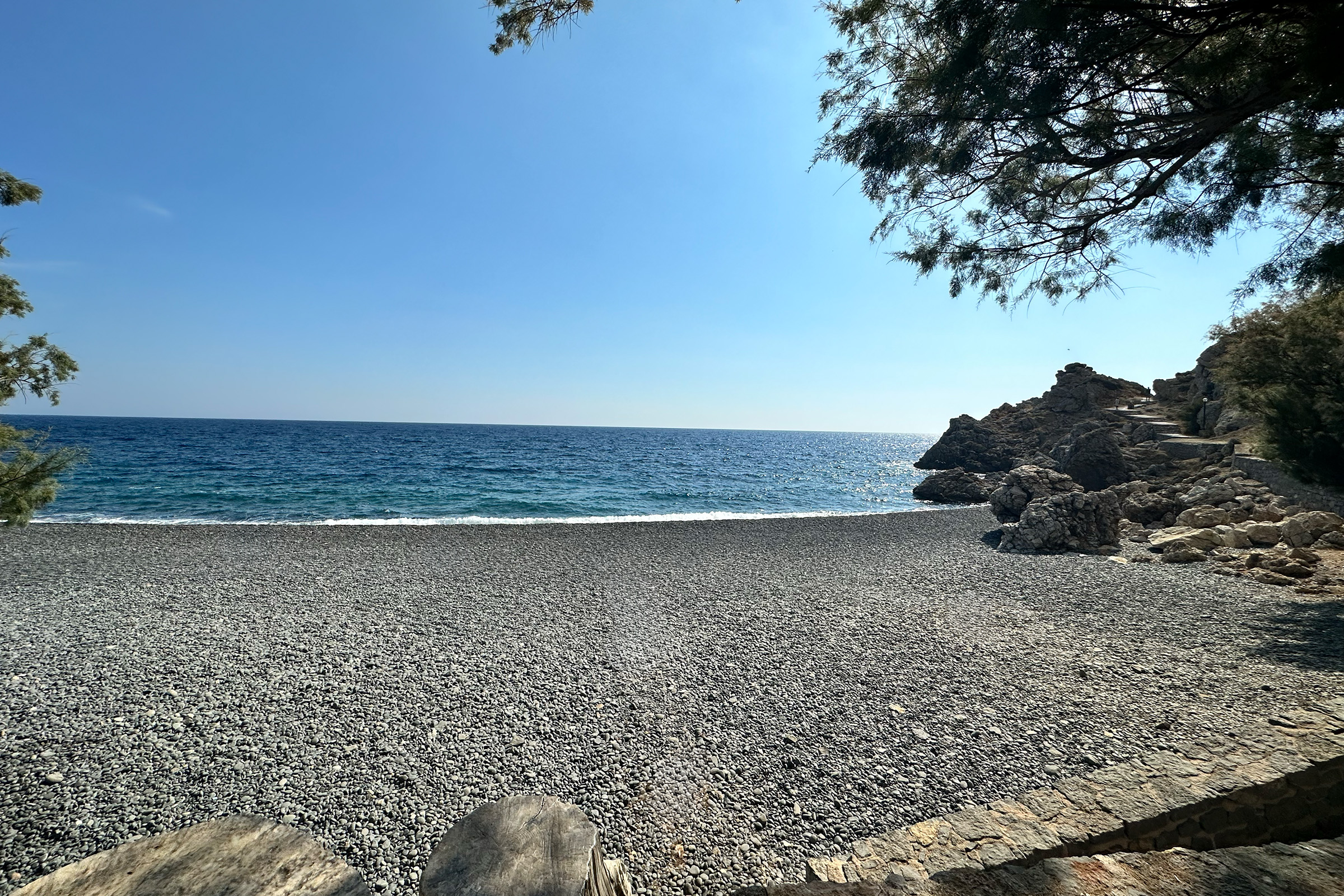
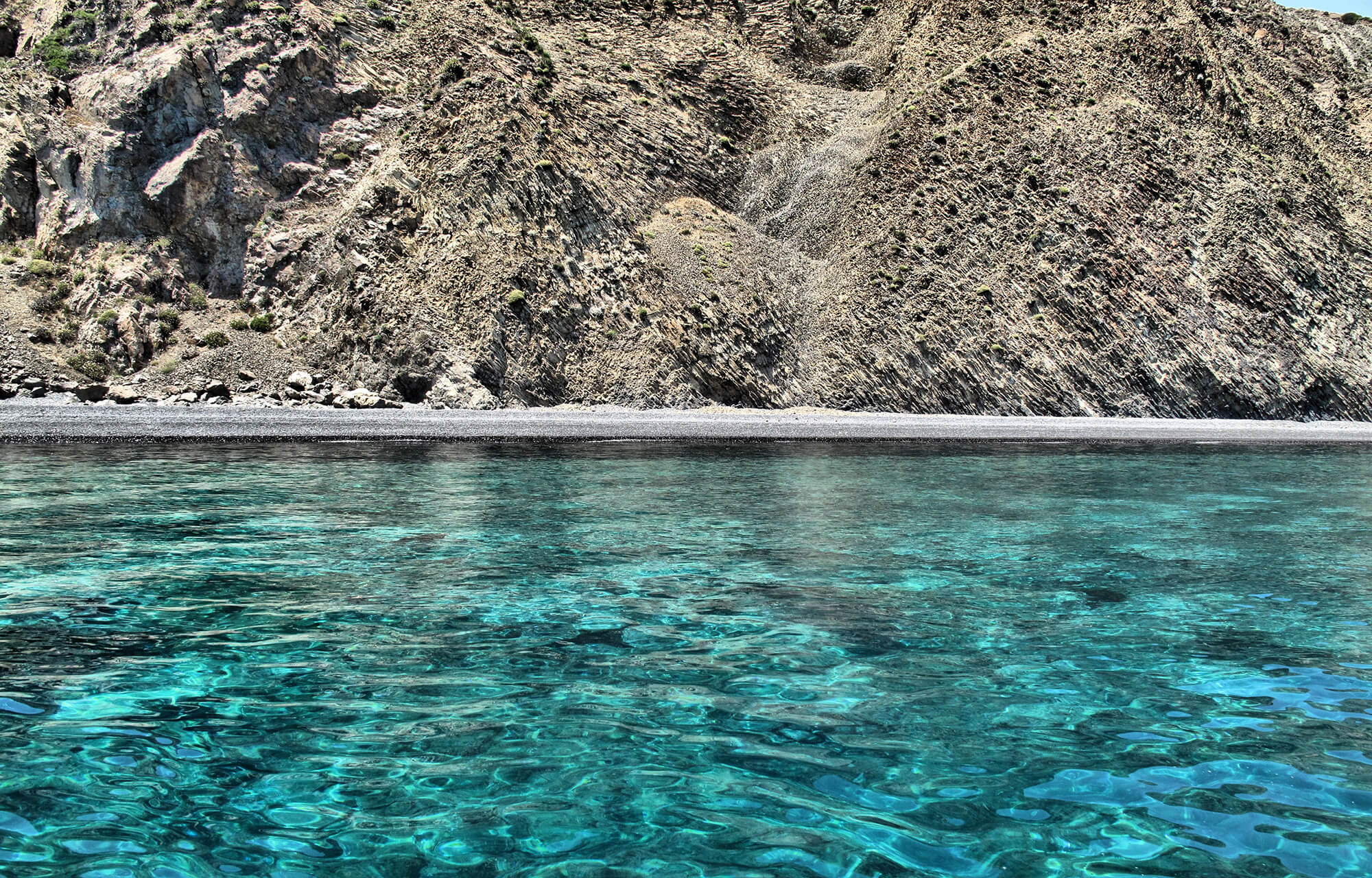
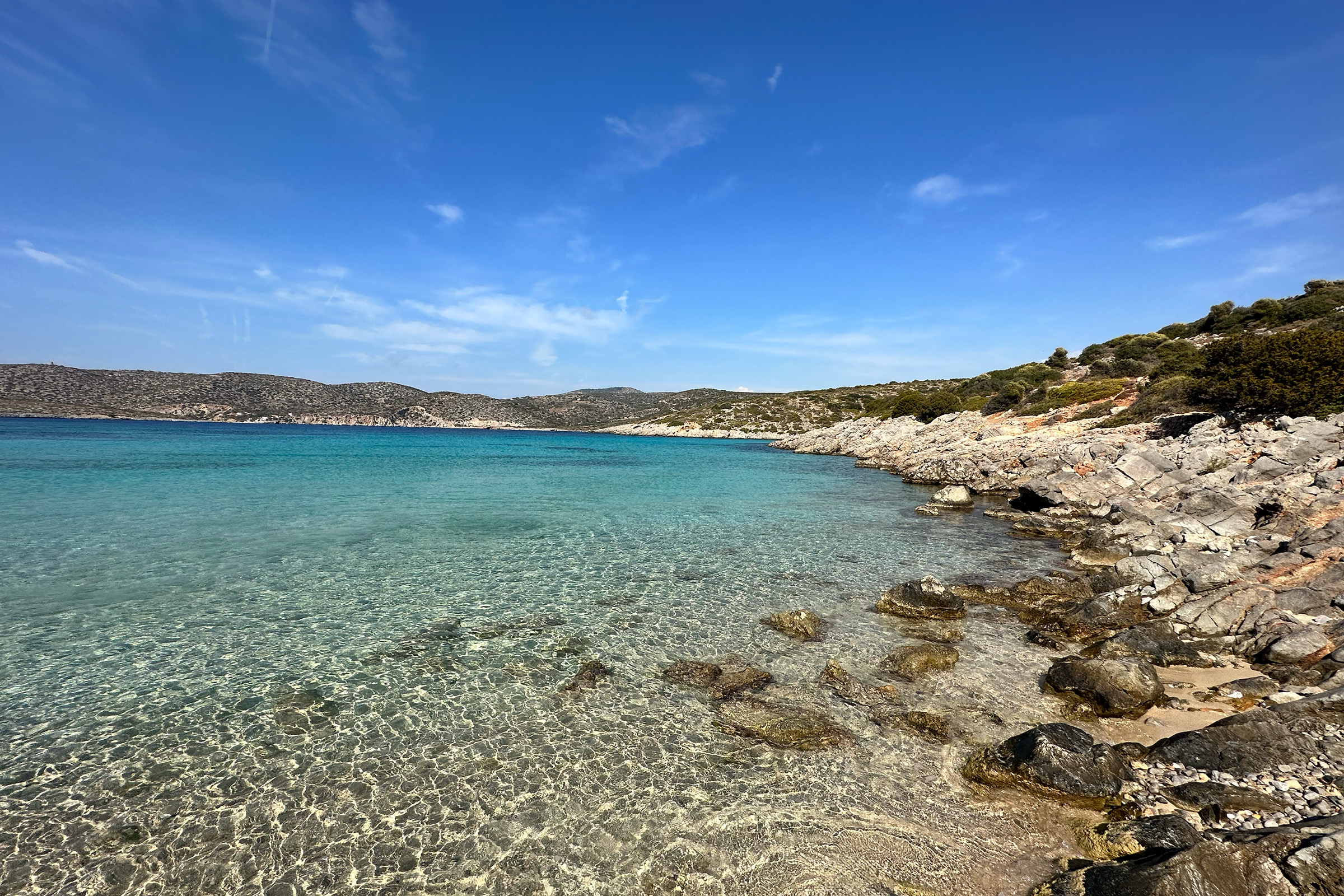
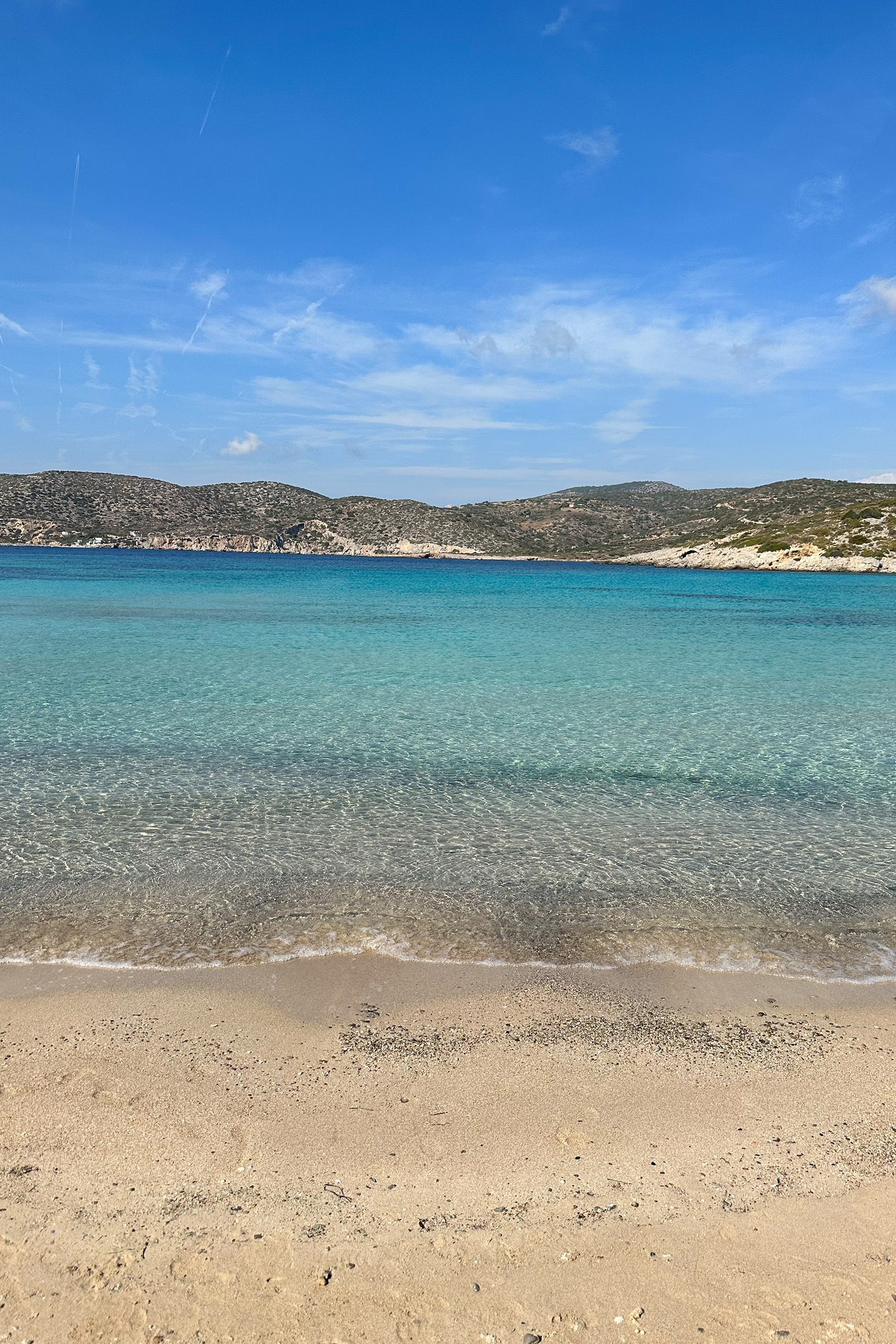
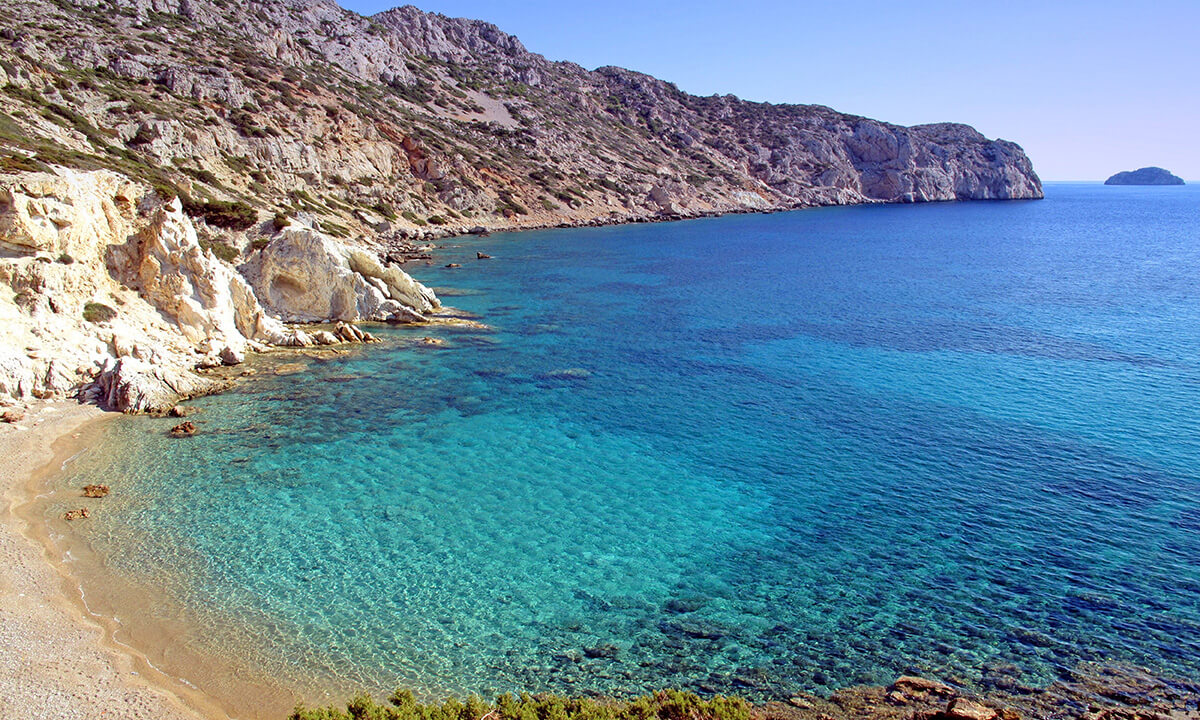
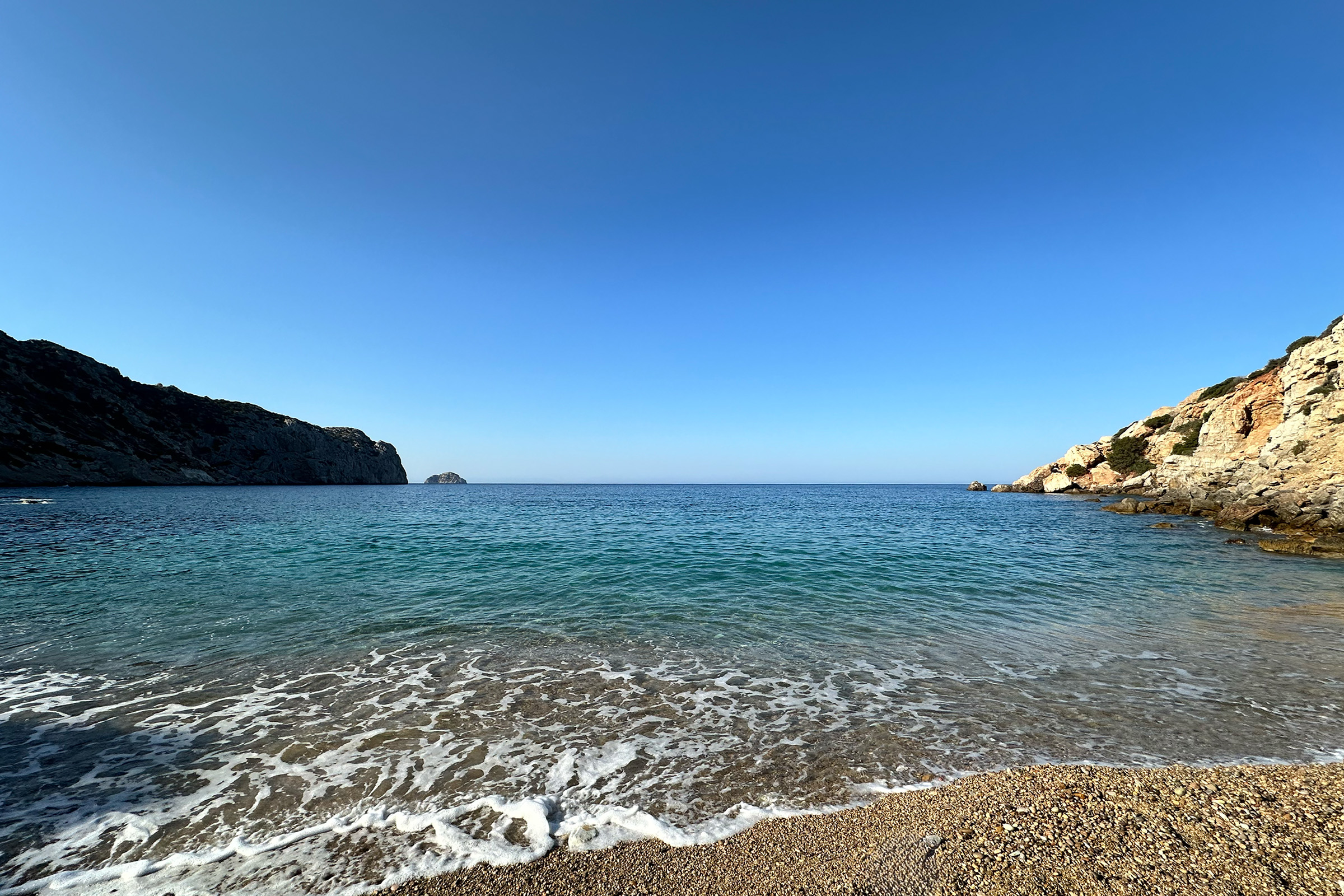
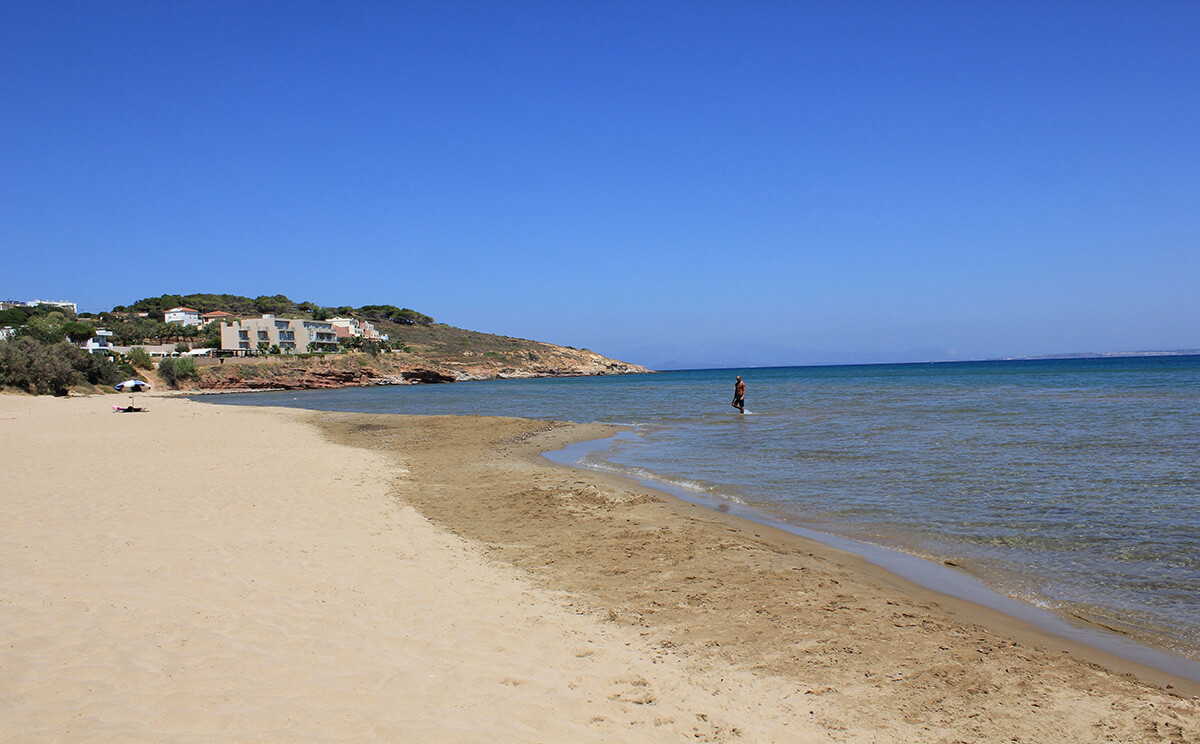
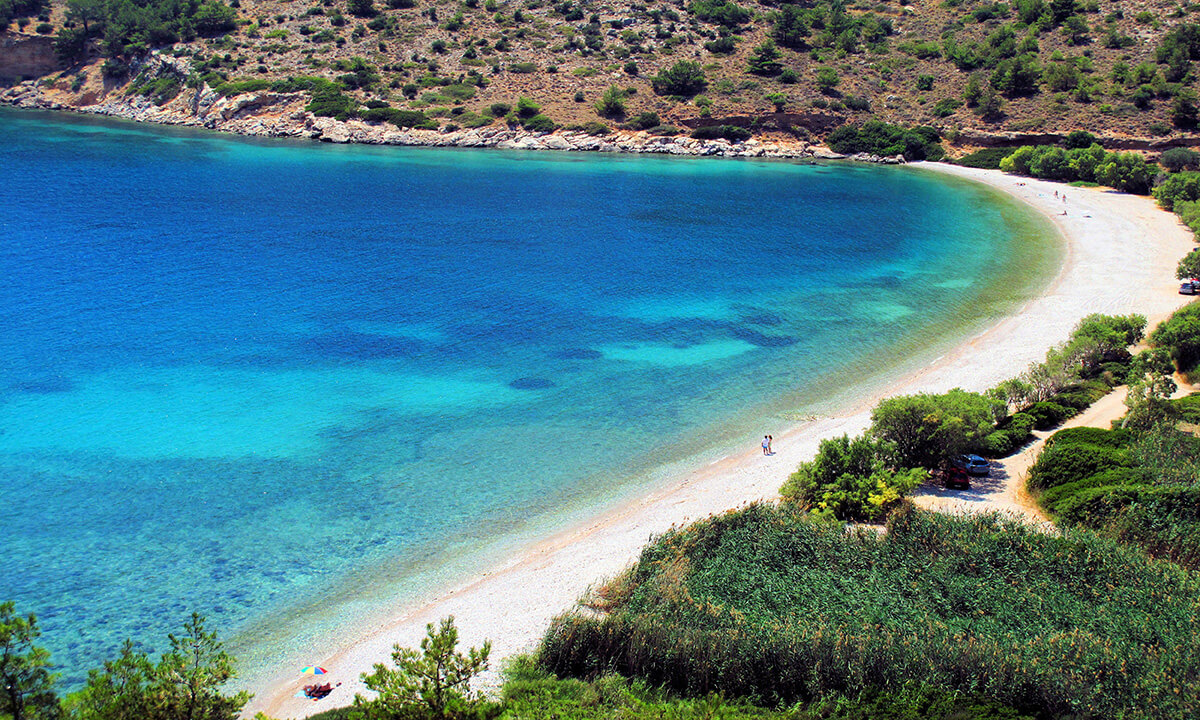
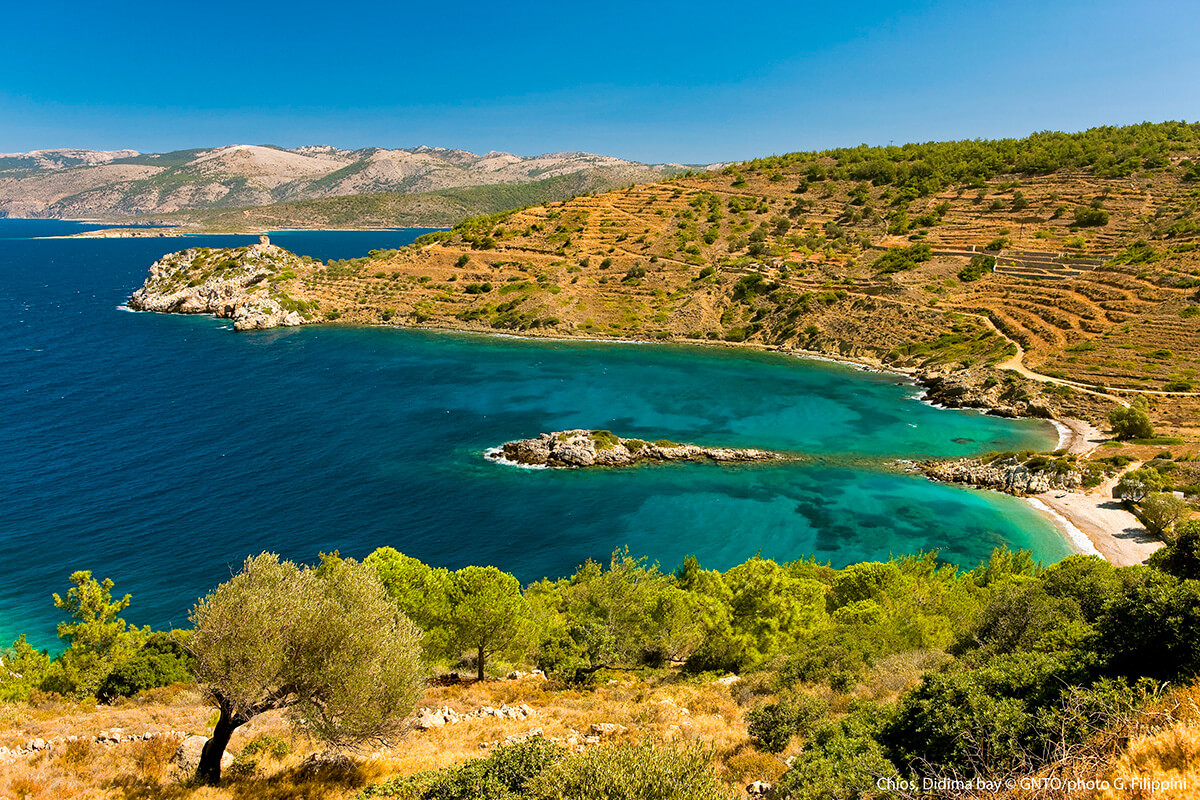
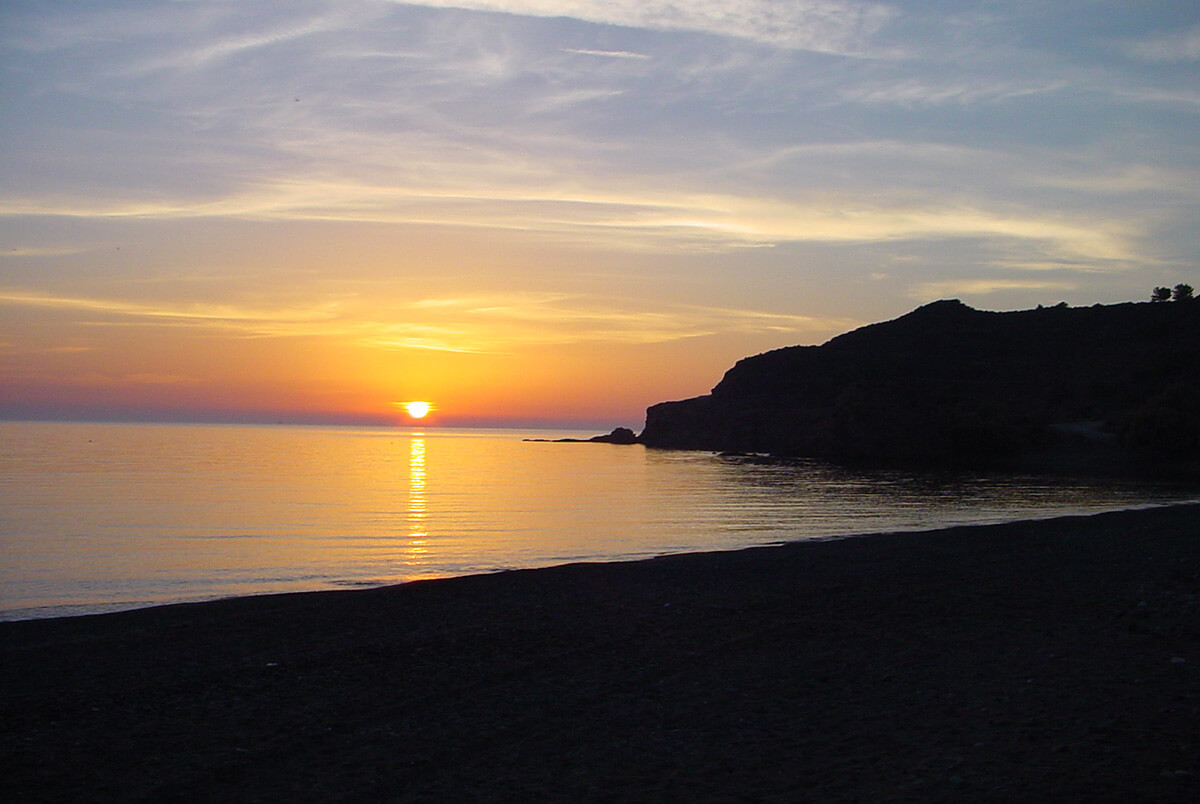
Chios boasts 91 beaches to suit every taste, with a coastline dotted with coves and inlets. If you prefer organised beaches awarded the Blue Flag, visit Agia Fotini beach, with its pebbly shore and sandy seabed, and Karfas, the island’s most cosmopolitan beach with its fine golden sand.
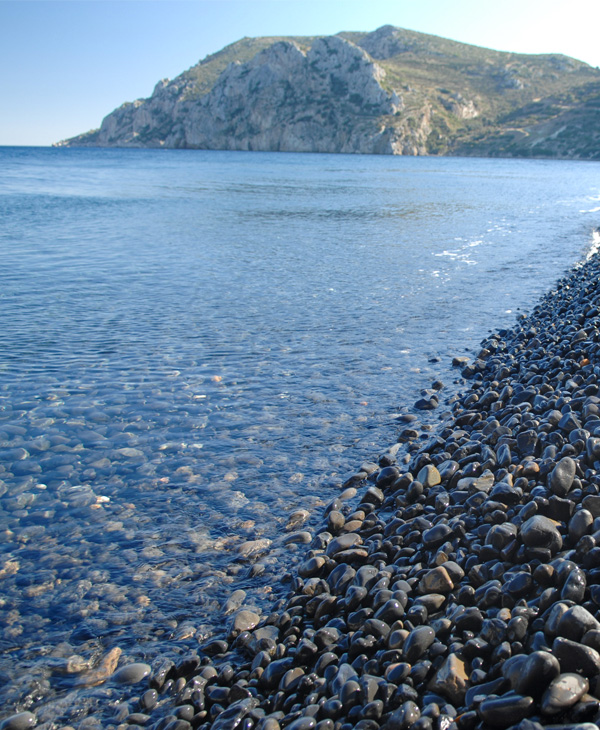
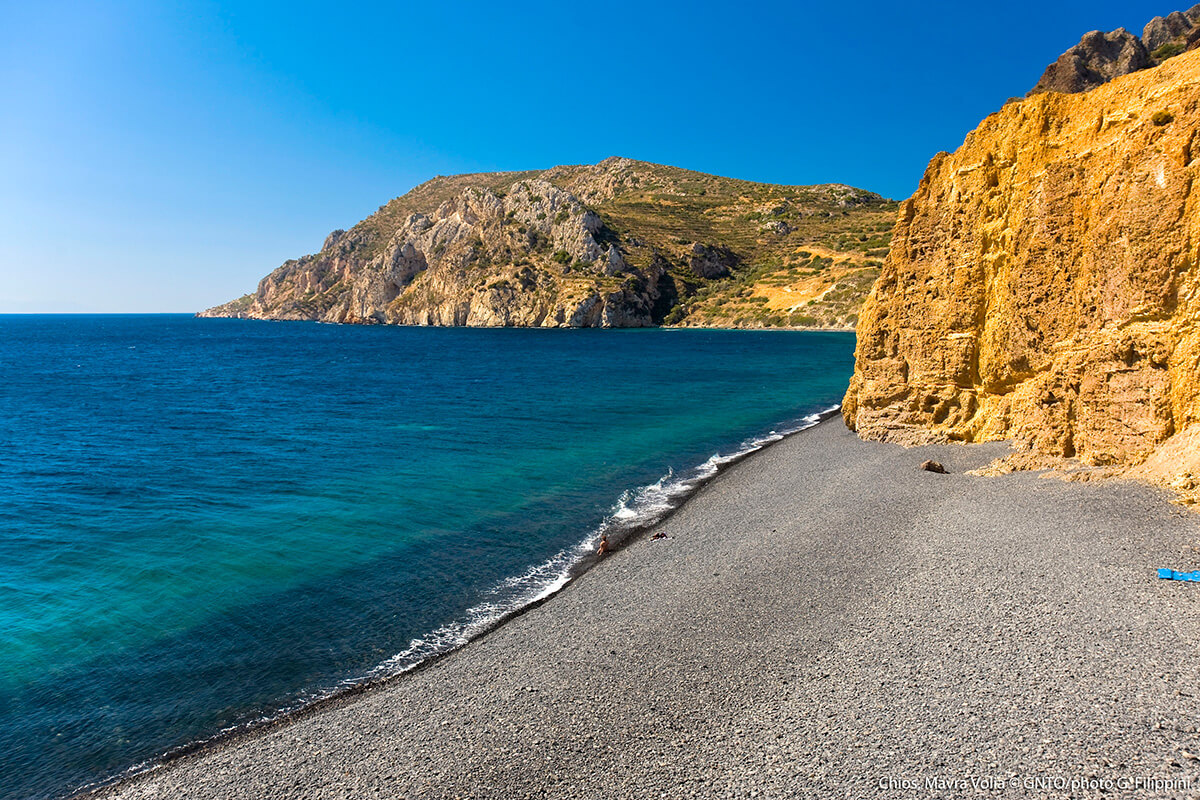
However, the beach that is rightly famous on the island is Mavra Volia, with its crystal-clear waters near the coastal village of Emporios. This beach is unique, thanks to the jet-black pebbles that give the sea a deep, dark colour, which originate from a volcanic eruption in the area.
In northern Chios, in the Kardamila area, there are also Giosonas and Nagos, two beaches that stand out due to their pure white pebbles, harmoniously combining the sea with the lush vegetation.
Other notable and cosmopolitan beaches on the island include Megas Limionas, Komi, Vroulidia, the beach of Lithi, Glari beach and Ormos Lo in Vrontados.
You’ll find quieter but equally impressive beaches on the western and northern or north-western sides of the island. Managros, Magemena, Agia Markella, Nagos, Kato Fana, Agia Dinami, Avlonia and Apothika are just a few of them.
What to taste
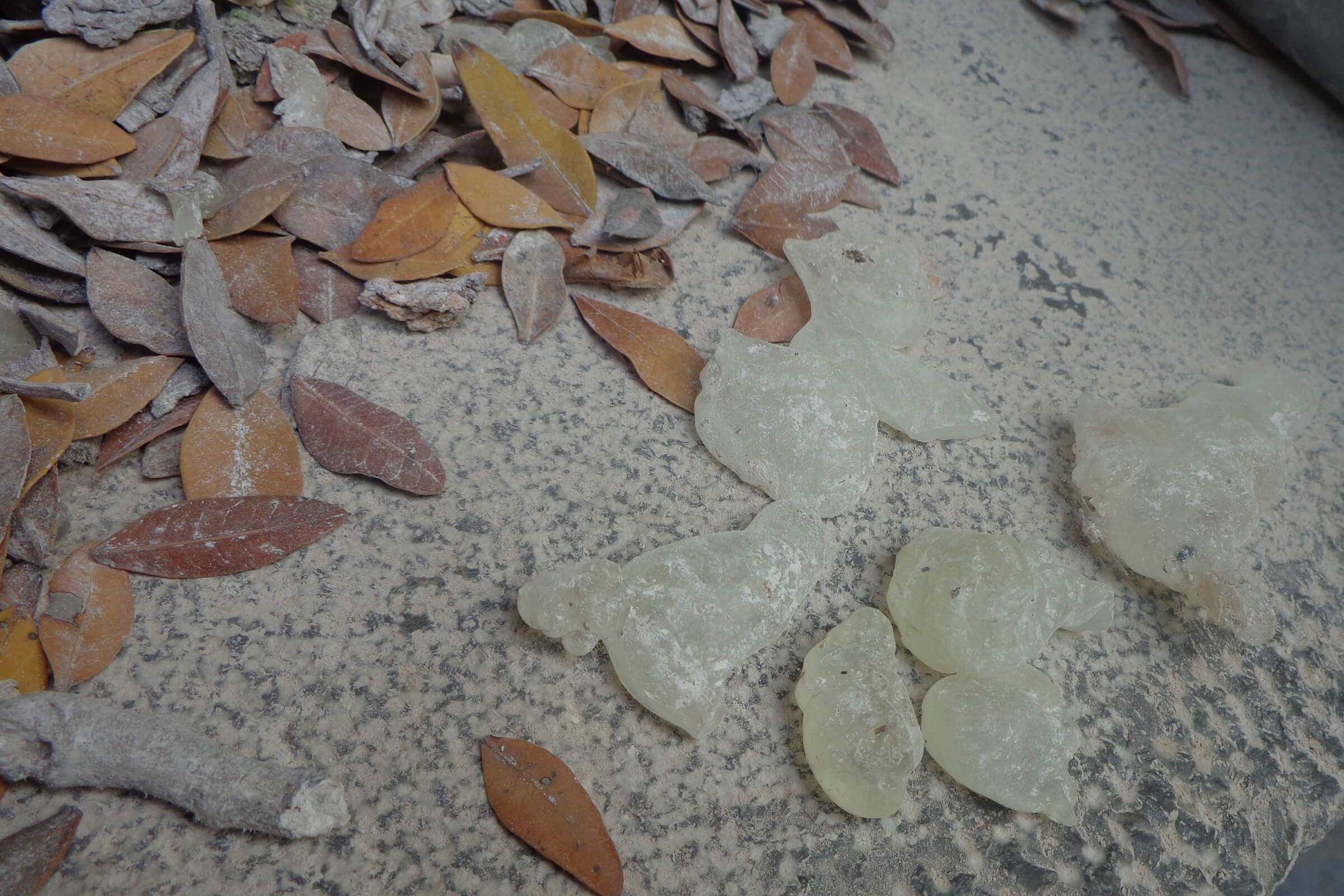
The most important product of Chios, which has made it famous throughout the world, is mastic, as well as the products to which it lends its flavour and beneficial properties.
Traditional spoon sweets made from citrus fruits (clementine, orange, bitter orange, rose petal, lemon blossom, pistachio, fig, aubergine, quince, sour cherry, sweet cherry).
The famous local ouzo. The famous souma, as fig distillate is produced only on Chios. Its blend with various fruit determines its name, whilst also giving it its unique aromatic character.
Το τοπικό λικέρ με γεύση μαστίχα, κανέλα, μανταρίνι, πορτοκάλι, τριαντάφυλλο, κανέλα.
Its local wines.
Traditional Chios sweets (masourakia, almond biscuits, etc.)
Fresh juices from the citrus fruits of the plain.
Handmade pasta.
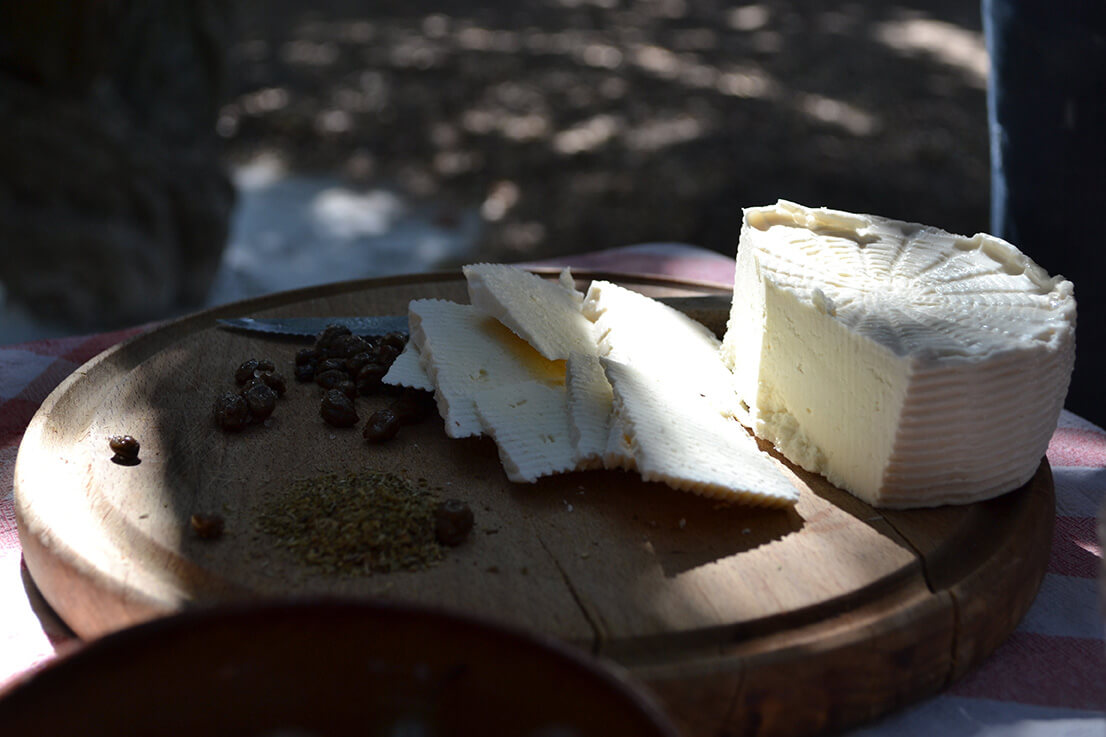
Chios dairy products, particularly Mastelo. From the rich, balanced milk of the cows of Chios, containing the essential proteins, fat, vitamins and minerals, a product with a smooth texture and a milky aroma was created.



Did you know that
- Wine
-
Wine was one of the most valuable and renowned products produced by Chios in antiquity. According to tradition, the god Dionysus bestowed his blessing upon the island. According to the ancient Chian historian Theopompus, Oenopion, who was considered the son of God, taught the people of Chios how to plant, cultivate vines and produce red wine.
Poets called it the "nectar of the gods’" whilst travellers and explorers who visited Chios in more recent times called it "Homeric wine". It was welcomed at Roman banquets, superseding fine Italian wines. It was widely used in medicine and is cited as an effective remedy, particularly for stomach ailments.
- Megali Ritra
-
Around 600 BC, the Great Covenant (Megali Ritra) was established on Chios – the constitution of the Chian regime, which is considered the world’s first democracy.
It is said that Solon visited Chios and was inspired by the Megali Ritra of Chios to formulate the laws that laid the foundations of the Athenian democracy.
- "Chian life"
- The "Chian life" is a proverbial phrase of the ancient Greeks, which they used to express that one of their fellow citizens was leading a luxurious and pampered life.
- Nea Moni
-
The craftsmen who adorned the interior of Nea Moni belonged to the same school as those who decorated Hagia Sophia in Istanbul.
- Christopher Columbus
-
Around 1474, Christopher Columbus arrived in Chios. He disembarked at Daskalopetra and was hosted by a Genoese nobleman.
Many historians maintain that Columbus came to the island to obtain nautical charts for his great voyage. It is even believed that he chose sailors from Chios as members of his crew.
- Mostra
-
The Mostra is Chios’s best-known carnival festival and is re-enacted in Thimiana every Sunday of Forgiveness.
The custom has its roots in the Middle Ages, when pirates and privateers plundered the coastline and seized the locals’ harvests.
The young people dance the "Talimi", a distinctive dance that re-enacts the movements of battling warriors wielding large swords.
- "Rocket War"
-
Easter in Chios is synonymous with the "Rocket War", a custom dating back to the Ottoman period, i.e. a "war" between the parish of Agios Markos and that of Panagia Erithiani. According to the older generation, it began with the children of the two parishes playing stone-throwing games with slings. Subsequently, the adults became involved as well, and the slings were replaced by "souritades" guns and later by small cannons brought by sailors from decommissioned ships.
After this went on for several years, this "war" began to spiral out of control in 1889, with the opposing sides smashing up the cobbled churchyards to fill the small cannons with pebbles. Following the intervention of the Turks, who feared the cannons might be used in a potential uprising by the inhabitants, the small cannons were confiscated and taken to the castle of Chios. Subsequently, the parishioners of the two churches began to devise a new way to continue the "war" with something spectacular, yet which the Turks could not forbid.
The solution was provided by the parishioners of Agios Markos and the pyrotechnician Korakakis, who had his workshop in the town. He made them a few rockets, which they took to Vrontados. The villagers of Panagia Erithiani target the dome (koumpes) and the little lion of Agios Markos (the emblem of St Mark above the church gate), whilst the villagers of Agios Markos target the clock of Panagia Erithiani.