Head Office





A JOURNEY OF REMEMBERANCE, AS WELL AS A JOURNEY OF DISCOVERY
Where Ionian thought, Christianity and Hellenism flourished
For the residents and visitors of Chios, the sea crossing of just 8 miles to the opposite coast of Turkey offers an opportunity to pause from gazing at the coast of Asia Minor whilst nostalgically reflecting on that civilisation, and to visit the land where, for centuries, Ionian thought, Christianity and Hellenism flourished.
It is the land of Ionia, Aeolia, Lydia, Caria and Lycia, Istanbul, Cappadocia and Pontus – where Hellenism met the East, laying the foundations of philosophy and science, whilst being regarded as a crossroads and cradle of civilisations.
Whether travelling independently or together with one of our agency’s organised tours, you can explore the monuments and traces of these civilisations from antiquity to the Byzantine era and the heyday of the 19th and early 20th centuries.
A journey of remembrance and discovery of modern-day Turkey with Sunrise Tours, exploring regions and customs familiar to Greek visitors. The Western vibe of the Asia Minor coastline, the numerous sights, the diverse natural landscape, the wide range of pleasant accommodation options, as well as the friendly nature and hospitality of the locals will pleasantly surprise you.
PLACES WORTH VISITING
The coasts of Asia Minor
Smyrna
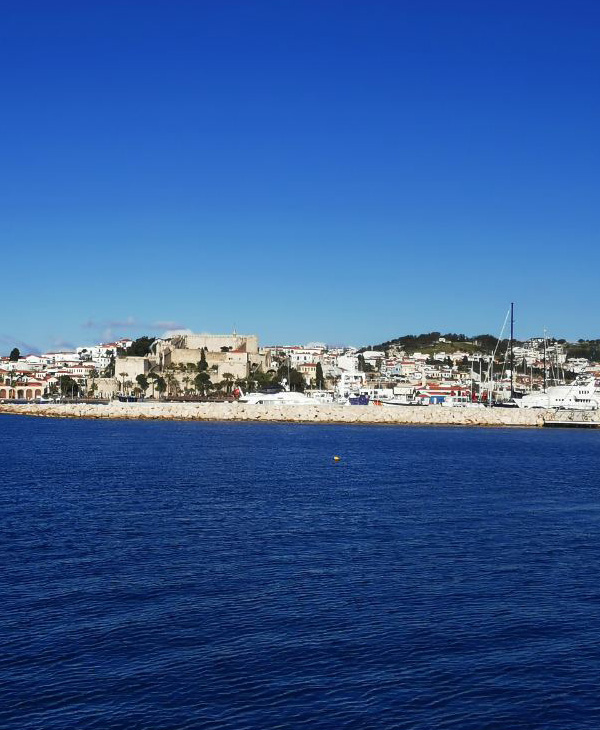
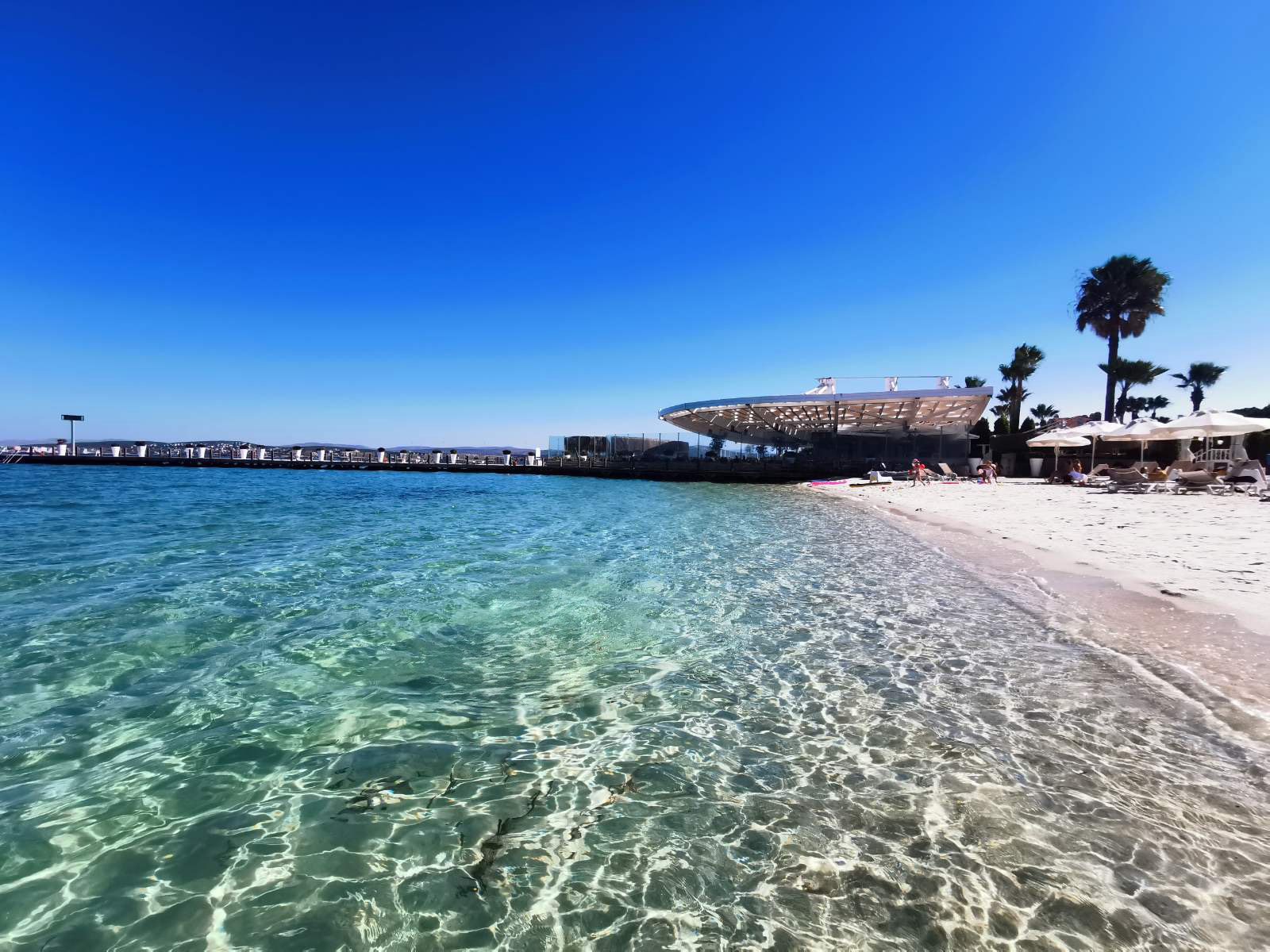
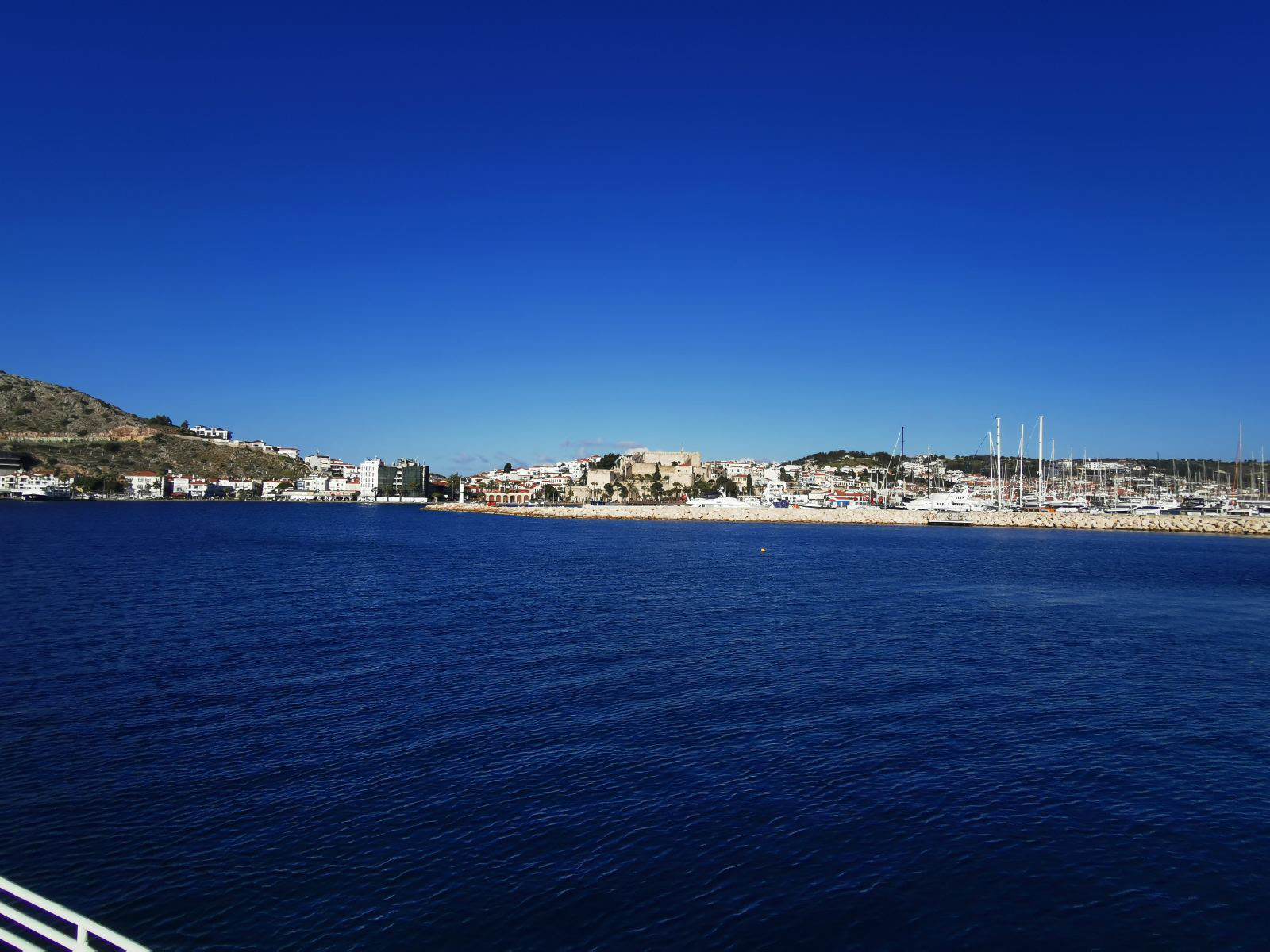
Starting from the region of Erythraia, with Cesme, Kato Panagia, Alacatı and Vourla, we arrive at cosmopolitan Smyrna. This is where the heart of the Greek community of Asia Minor beat for centuries, with its famous bazaar, but also with monuments that stand witness to the city’s history, which however are few in number if we take into account its significance.
Also well worth a visit are Kordelio, Buca and Bornova, suburbs made famous by the region’s folk songs.
Halicarnassus – Antalya
Continuing southwards, we come across important archaeological sites, such as Ephesus with the Basilica of Agios Ioannis Theologos, Priene, Miletus and the impressive Didima, alongside major tourist resorts, with Kusadası, Halicarnassus (now Bodrum) and Marmaris standing out amongst them.
Further south, between the Tavros Mountains and the Mediterranean coast, amidst areas of unique natural beauty and lush vegetation, ancient cities and picturesque settlements are revealed, the most notable being Makri (Fethiye) with its Lycian tombs, the traditional Kas (Antiphellos) with the underwater city of Kekova, Mira with the Church of Agios Nikolaos, and Antalya, Turkey’s most modern and westernised metropolis, as well as the country’s touristic capital.
Antalya, with its grand mansions in typical Mediterranean architectural styles and monuments from all periods of history, can serve as your base to visit Perge, Aspendos and Sille, three ancient cities of Pamphylia with unique monuments still surviving today.
Land of Aeolia – Pergamon – Ayvalık
North of the Smyrna region, on our way to Elias Venezis’s "Land of Aeolia", we come across Menemeni, an important Greek community prior to 1922, the picturesque Phocaea, which was once a city of seafarers, as well as Pergamon with its Asclepieion and the Red Basilica.
Our next stop is Ayvalık, which has retained its traditional character intact with its magnificent churches and opulent mansions and villas, which, although now in a state of decline, are a reminder of the heyday of Hellenism in Asia Minor.
Sea of Marmara – Prusa
Continuing on, alongside the opposite shores of Lesbos and the Edremit Gulf, through fertile olive groves and dense pine forests, we reach ancient Assos, the legendary Troy and the Dardanelles Strait; not just a mythical and historical passage, but also a passage marking the transition from Asia to Europe and from the Aegean to the Sea of Marmara. A visit to this region can also be combined with a trip to Imbros and Tenedos.
On the southern shores of the Sea of Marmara, we come across important towns with a strong Greek presence until 1922 and the population exchange, such as Artaki and Cyzicus, two of the ancient colonies of Miletus.
Continuing eastwards, we reach Tirilye, the birthplace of Chrysostomos, Metropolitan of Smyrna, with the Zarifios schools and the Church of Panagia Pantovasilissa, as well as Sigi and Moudania, favourite resorts of the Greek bourgeoisie from Prusa and Istanbul, with their stunningly beautiful seaside wooden houses.
Prusa, built on the verdant slopes of Mount Olympos in ancient Bithynia, will delight you with its greenery, its monuments, its silk products and its cuisine.
Istanbul
On the northern shores of the Sea of Marmara, where the Bosporus meets the Golden Horn and the Sea of Marmara to separate Europe from Asia, stands the legendary city of Istanbul. A multifaceted city, where traditional elements contrast with the vibe of a European metropolis.
Its impressive religious and historical monuments stand as unwavering witnesses to its long history. It is the home of the Ecumenical Patriarchate, Hagia Sophia, the Church of Panagia Blachernai, the Galata Tower, magnificent palaces on the shores of the Bosporus, the renowned Stavrodromi-Pera neighbourhood with the Grand Street of Pera and the Zografio, Chalcedon, a multitude of churches and also significant mosques.
For visitors to Istanbul, their image of the city would be incomplete without a cruise on the Bosporus and to the Princes’ Islands, amongst which Chalki stands out with its School of Theology.
Anatolia – Central Asia Minor
Sardis – Hierapolis – Aphrodisias
East of Smyrna, on the road to Anatolia, we come across great and marvellous ancient cities, which are still preserved in very good condition today.
These include Sardis, the capital of ancient Lydia; Philadelphia and Laodicea, two of the seven churches of the Book of Revelation; Hierapolis, with its hot springs and therapeutic waters rich in calcium salts; Aphrodisias and a host of other smaller towns scattered throughout the Meander valley and the Gediz river, or perched on the mountains of Tmolus.
Cappadocia
Continuing towards central Asia Minor, we reach what is known as Anatolia, where the clash – yet also the convergence – of civilisations, religions and empires has left behind many historical, religious and cultural monuments. Here, the region of Cappadocia stands out, an open-air World Heritage Site.
Cappadocia, with its underground cities and countless monastic complexes and churches, most of them carved into the rock – was the cradle of Orthodoxy, as well as the place where the Great Hierarchs lived. Among these, the underground city of Malakopi stands out, as does the open-air Korama Museum (a monastic complex with the highest concentration of churches and cave dwellings), Peristrema (an area full of gorges of wild natural beauty, monastic complexes and early Christian churches carved into the rock), Karvali with the church of Saint Gregory, Sinassos, which was considered the "Athens of the East" due to the purity and beauty of the Greek language spoken by its inhabitants, Avanos, Zelvi, Nigdi, Caesarea and Konya with Sille, a Greek town that stands out due to its distinctly Byzantine character, its churches, its rock-hewn monasteries, but also for the distinctive Greek dialect spoken by its inhabitants, which is found nowhere else in the Greek-speaking world.
The Pontus
The city of Smyrna can serve as the starting point for a journey to the distant Pontus, as it is connected by direct flights to Samsun and Trabzon. A trip to the Pontus region is, amongst other things, a pilgrimage to the Pontic Greek community and, at the same time, helps to preserve the memory of Pontic Hellenism, which has survived by maintaining, through difficult times, the customs, habits, rare traditions and the Christian faith from the 8th century BC, with the founding of the Greek colonies on the shores of the Black Sea, right up to the persecutions and massacres that came to an end in 1922.
At the heart of every tour, there is a visit to the Monastery of Panagia Soumela in the province of Macka, the holiest place of pilgrimage in Pontus, which has served as a beacon of Orthodoxy and Hellenism throughout the centuries, and Trabzon, the city of “the Ten Thousand of Xenophon” as well as of the Great Komninos dynasty, with the Fronistirio – one of Pontus’s most important educational institutions – Hagia Sophia and a host of other churches and mansions, which still stand imposingly.
Continuing westwards, we come across important and historic towns of Pontus, amongst which Giresun stands out with its Greek quarter and the church of Agios Nikolaos (now a museum), Ordu, with the Psomiadis School and the Church of Ipapanti, Samsun (an important port and the second-largest city in Pontus) with the Church of the Holy Trinity and the impressive mansions that still stand today in the former Greek quarter, Sinop (famous from the Argonautic expedition) and picturesque Amasya on the banks of the River Yesilırmak.
In the region of the Western Pontus (Paphlagonia), the traditional Safranbolu (a UNESCO World Heritage Site) and Kastamonu, the birthplace of Byzantine emperors, are two further towns that have much of their former splendour to offer the modern visitor.
A trip to the coast of Asia Minor can serve as a starting point for a journey to the islands of the Eastern Aegean and the Dodecanese, thanks to the very frequent and reliable direct ferry itineraries between Turkey’s coastal towns and these islands. Thus, Kusadası can be combined with a trip to Samos; Bodrum (Halicarnassus) with Leros, Kalymnos and Kos; Marmaris with Simi and Rhodes; and Kas with the remote island of Kastellorizo.